Exploring how our ideas of nature have changed, from the Romantic movement into the Anthropocene, his projects deconstruct the cultural traditions which govern how we perceive and represent the natural world.
Lives and works in Berlin, Germany.
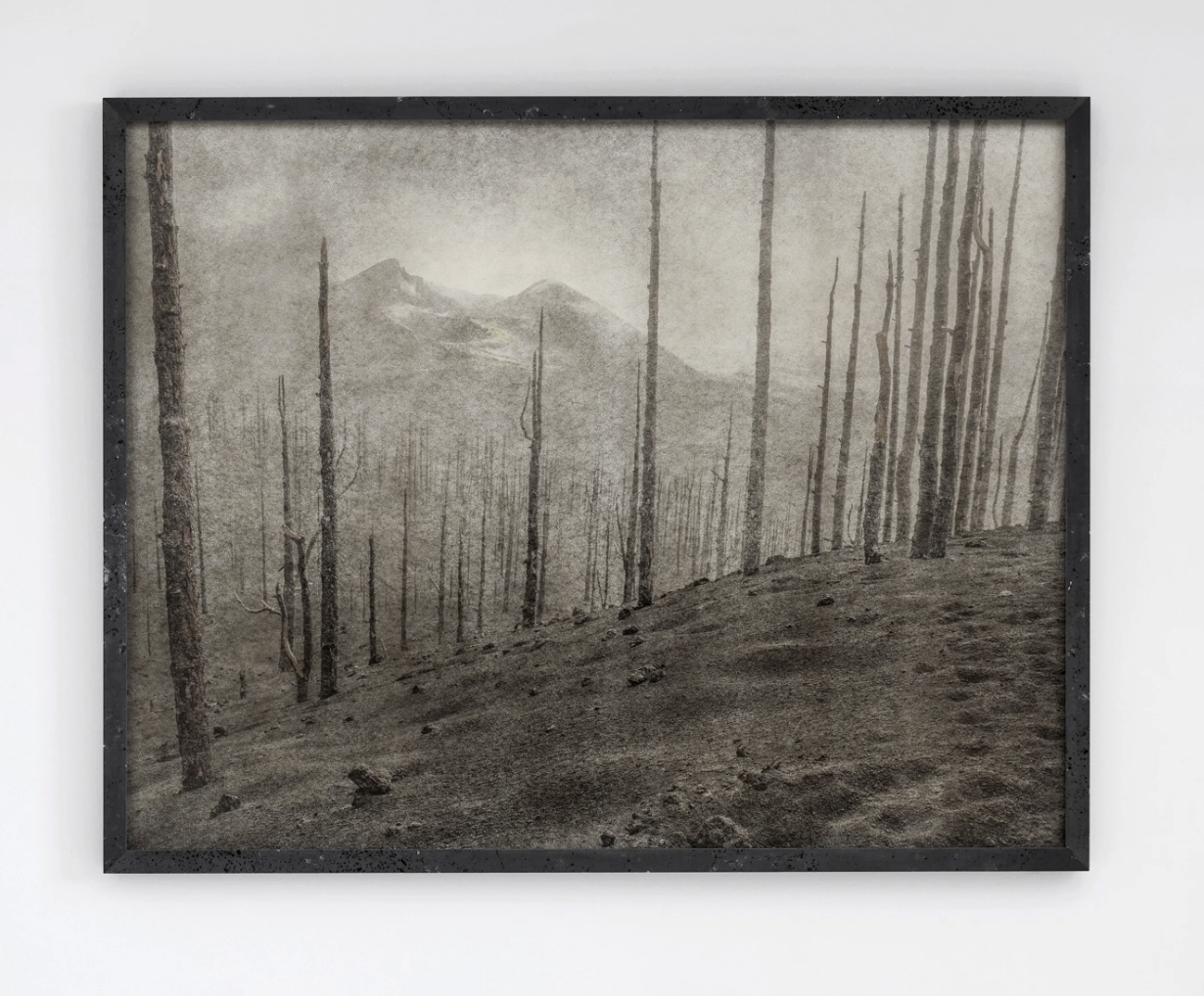
Julian Charrière (Morges, Switzerland, 1987) is a French-Swiss artist based in Berlin, whose work has been widely exhibited across esteemed institutions and museums around the globe. Marshaling performance, sculpture and photography, his projects often stem from remote field workin liminal or discarded locations, such as volcanoes, ice field sand radioactive sites. By encountering places where a cute geophysical identities have formed, Charrière speculates on alternative histories, often looking at materials through the lens of deep geological time.
.jpg)

.jpg)
%20GRV.jpg)


.jpg)

.jpg)
%20GRV.jpg)


Lorem ipsum dolor sit amet, consectetur adipiscing elit. Suspendisse varius enim in eros elementum tristique. Duis cursus, mi quis viverra ornare, eros dolor interdum nulla, ut commodo diam libero vitae erat. Aenean faucibus nibh et justo cursus id rutrum lorem imperdiet. Nunc ut sem vitae risus tristique posuere.
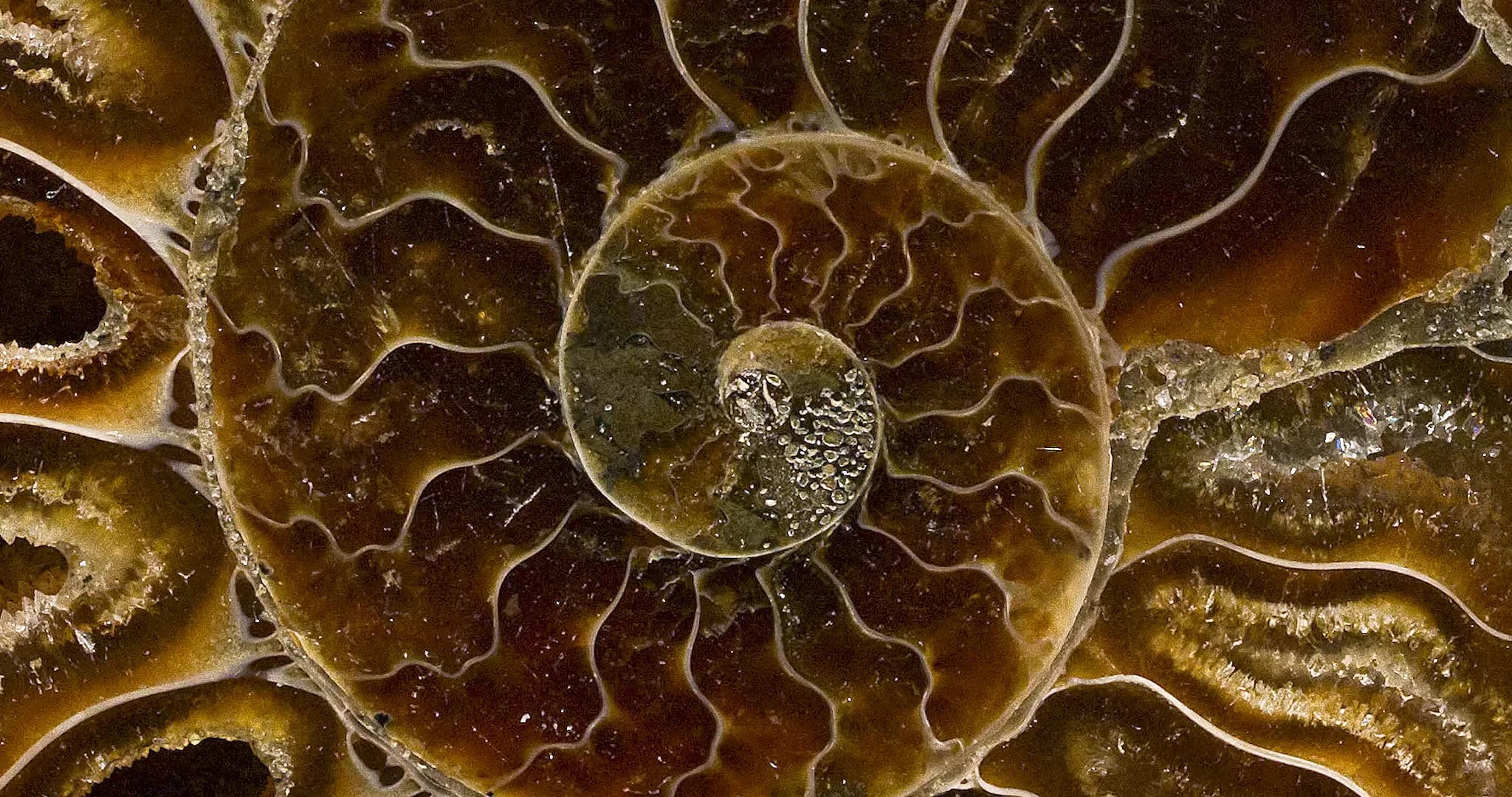
Spiral Economy unfolds as a dialogue between the Franco-Swiss artist Julian Charrière and Antonio Canova, through the spaces of Museo Correr, revealing the poetry of materiality.
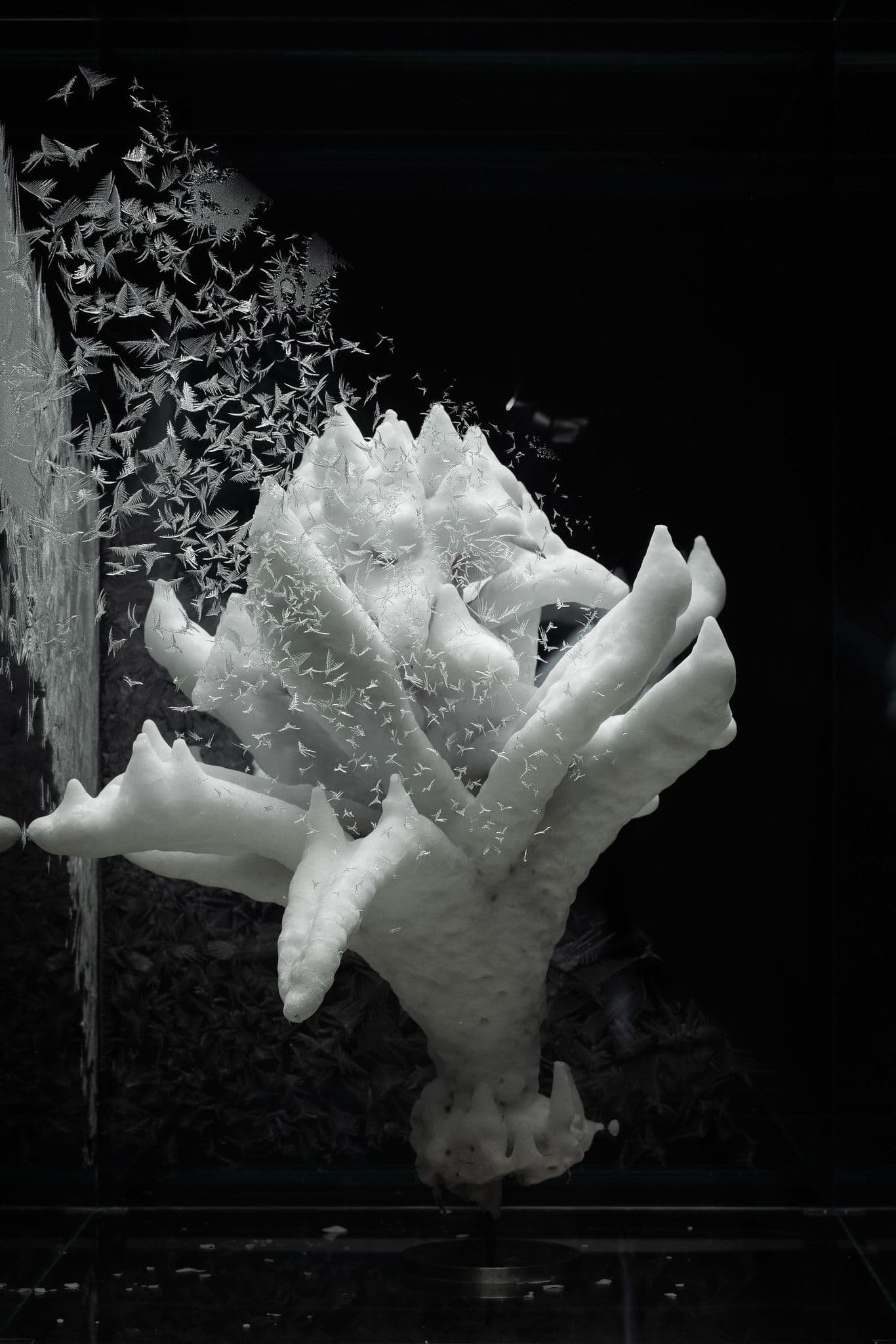
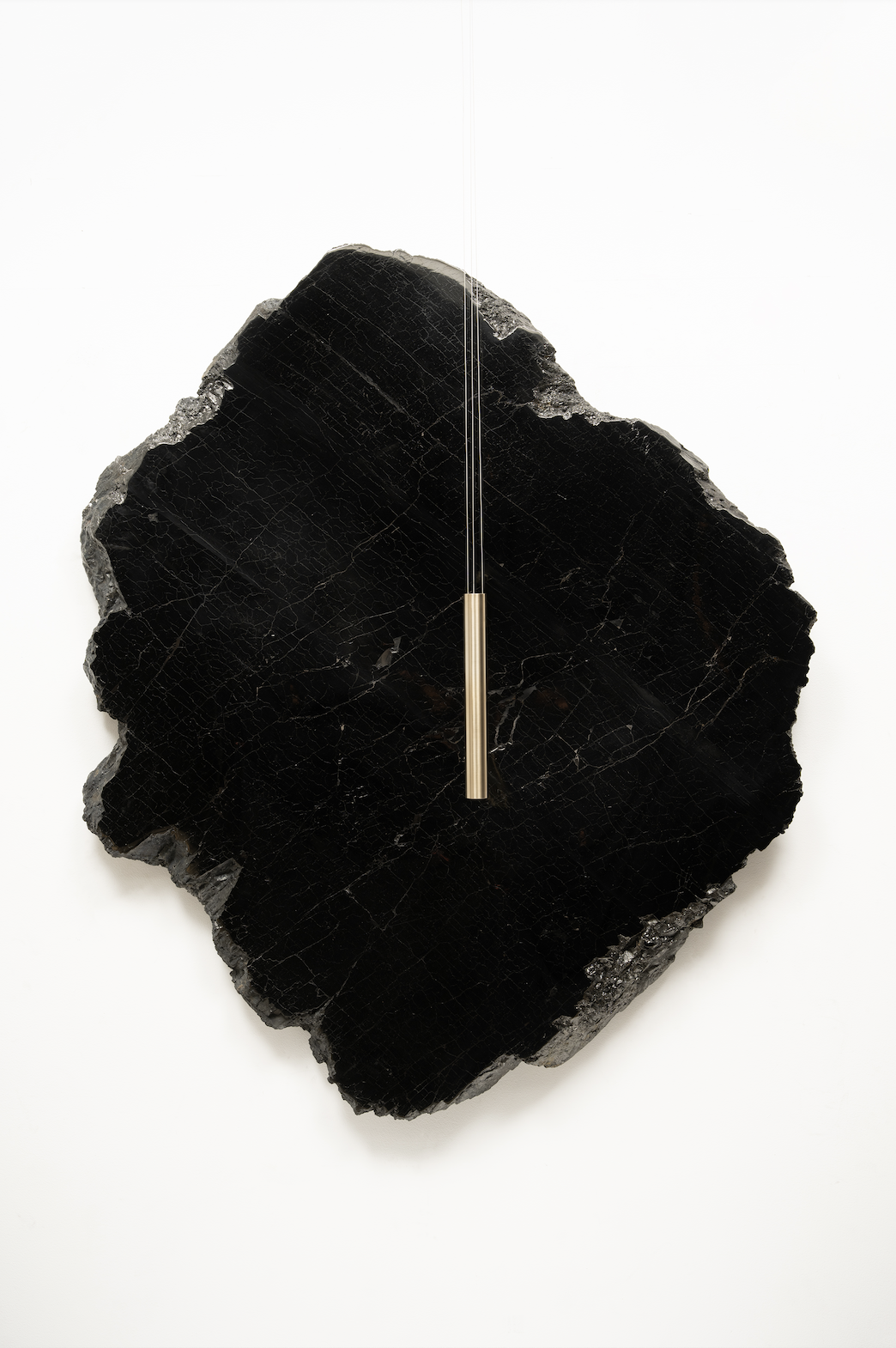
Charrière meets Canova’s idealized forms: marble as body and phantom, a vessel of beauty and a witness to profound time. The material itself takes center stage: every fissure, vein, and geological texture carries within it the memory of ancient seas and metamorphic pressures. Where Canova’s marble leans toward the semblance of human flesh, Charrière evokes another truth: stone as a living body in its own right, needing no human likeness to exist.
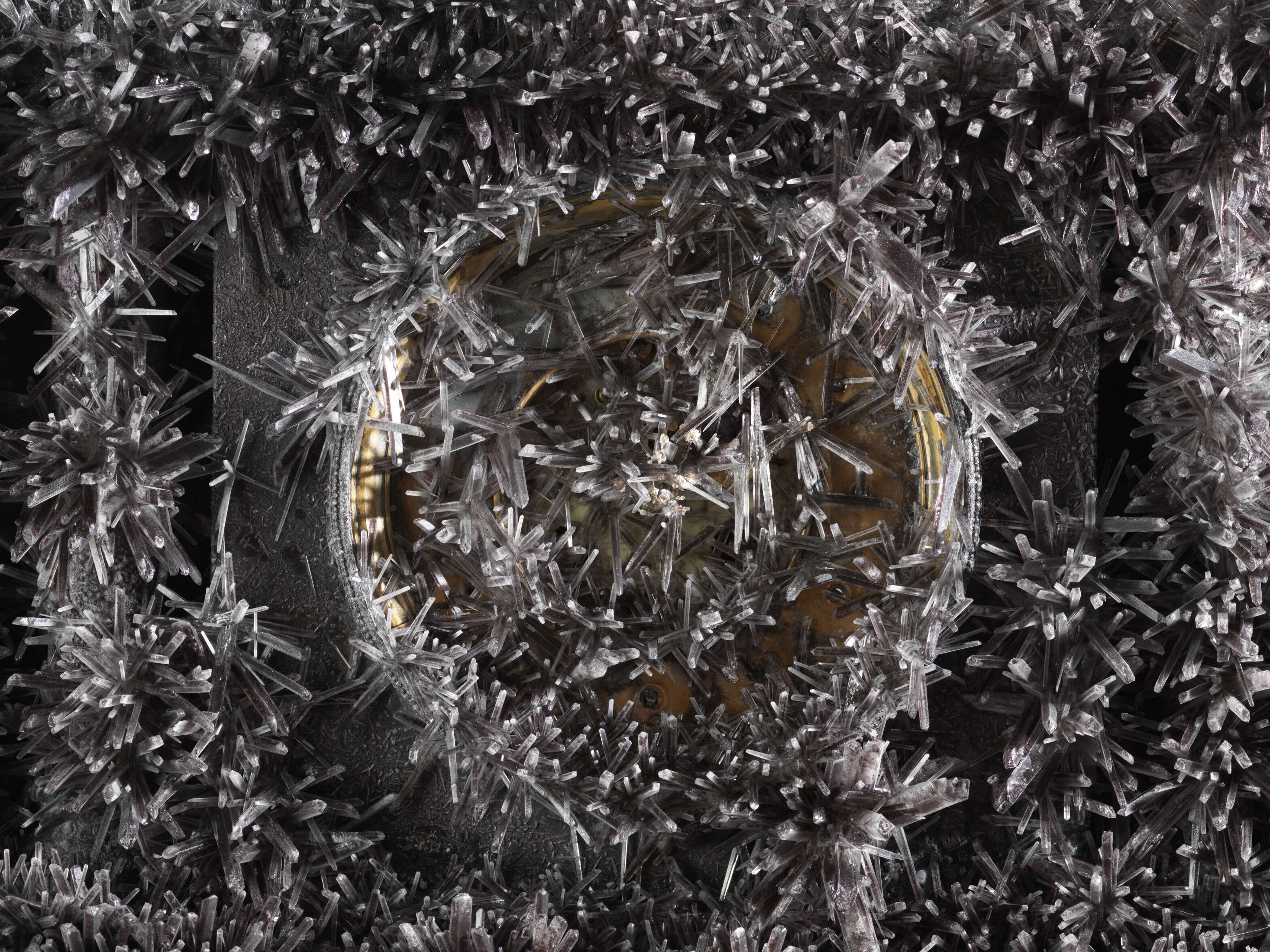
Spiral Economy invites visitors to reflect on every attempt to measure or master time and to ultimately be absorbed into deeper, planetary durations, where matter itself becomes the supreme guardian of time.
In the historic Canova Galleries of the Museo Correr, the exhibition uncovers Canova’s luminous bodies, where marble emerges as an avatar of time, bearing the traces of the Earth’s slow transformations.


Lorem ipsum dolor sit amet, consectetur adipiscing elit. Suspendisse varius enim in eros elementum tristique. Duis cursus, mi quis viverra ornare, eros dolor interdum nulla, ut commodo diam libero vitae erat. Aenean faucibus nibh et justo cursus id rutrum lorem imperdiet. Nunc ut sem vitae risus tristique posuere.
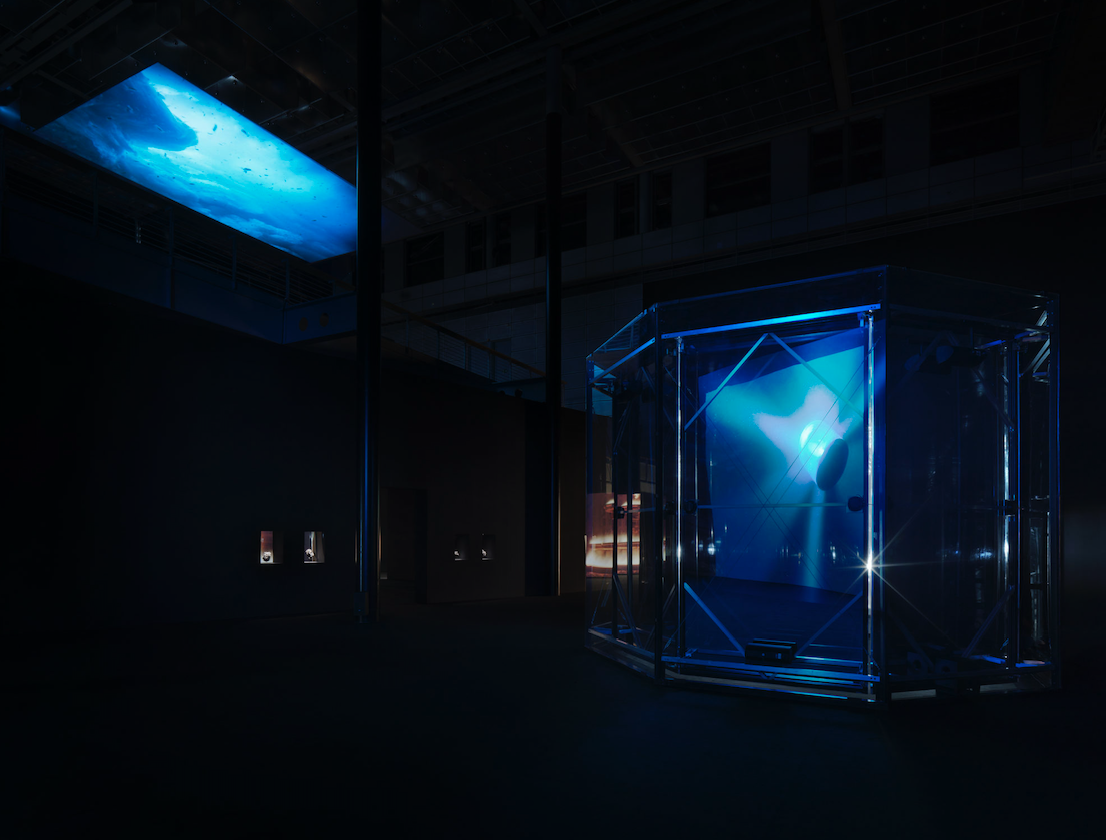
Hard Core features an assemblage of artworks—from sculpture and installation to film and photography—that bridge nature, science, history, industry and myth.
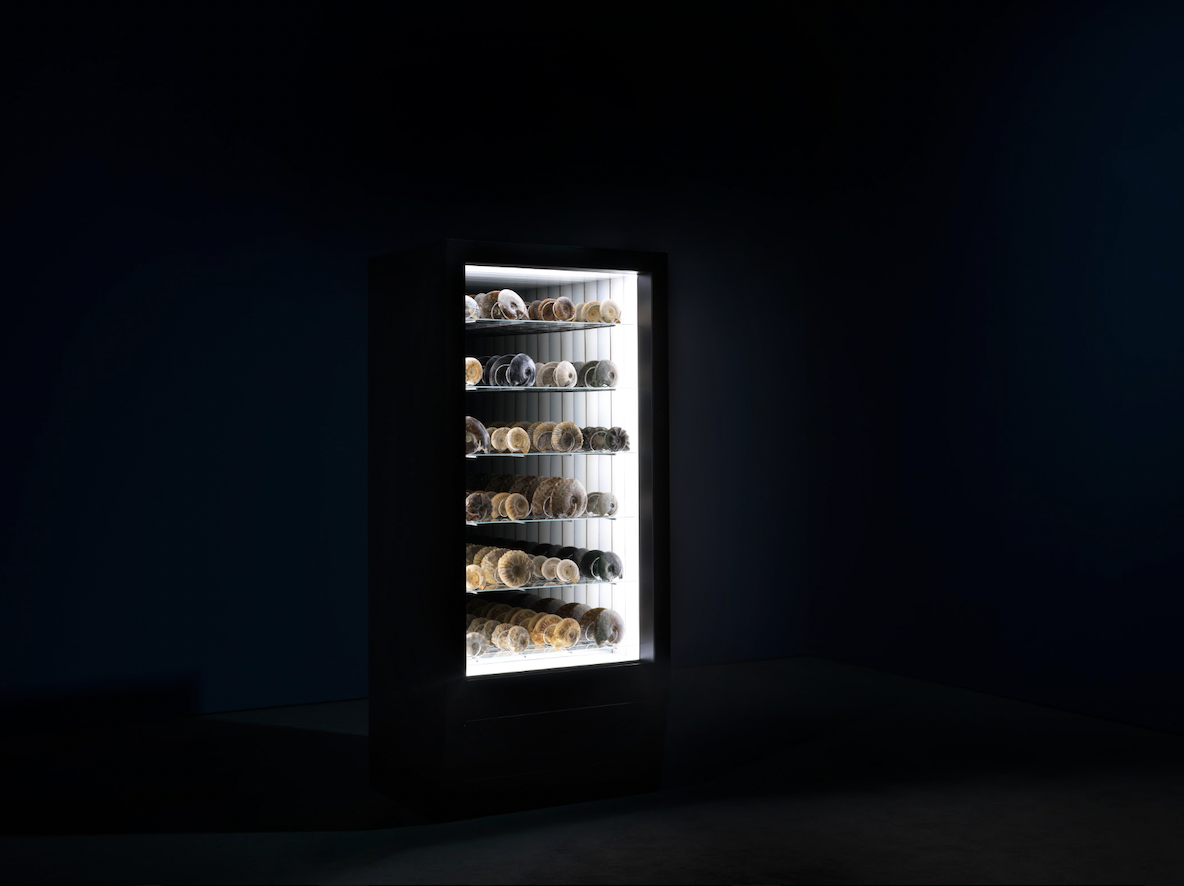
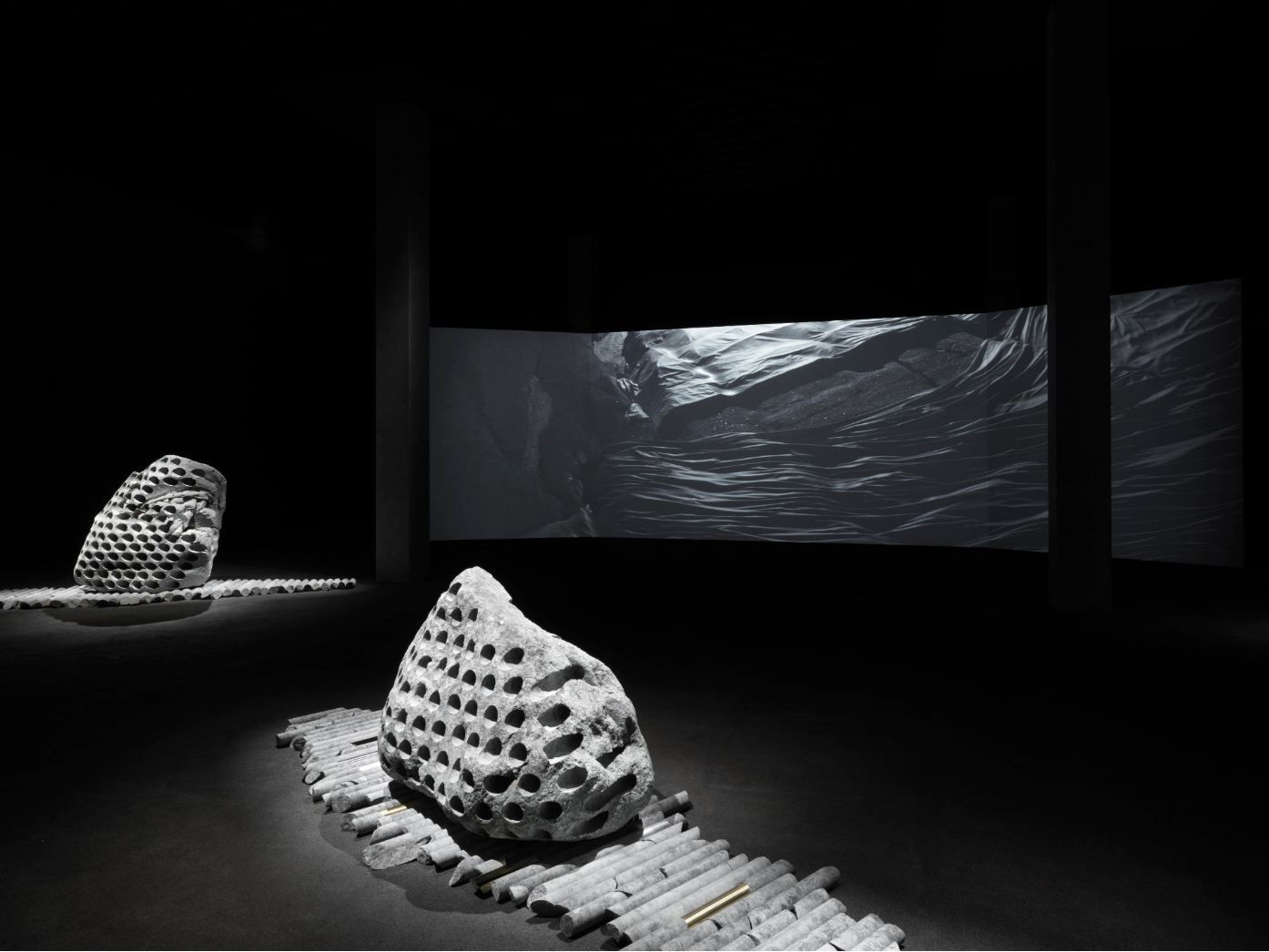
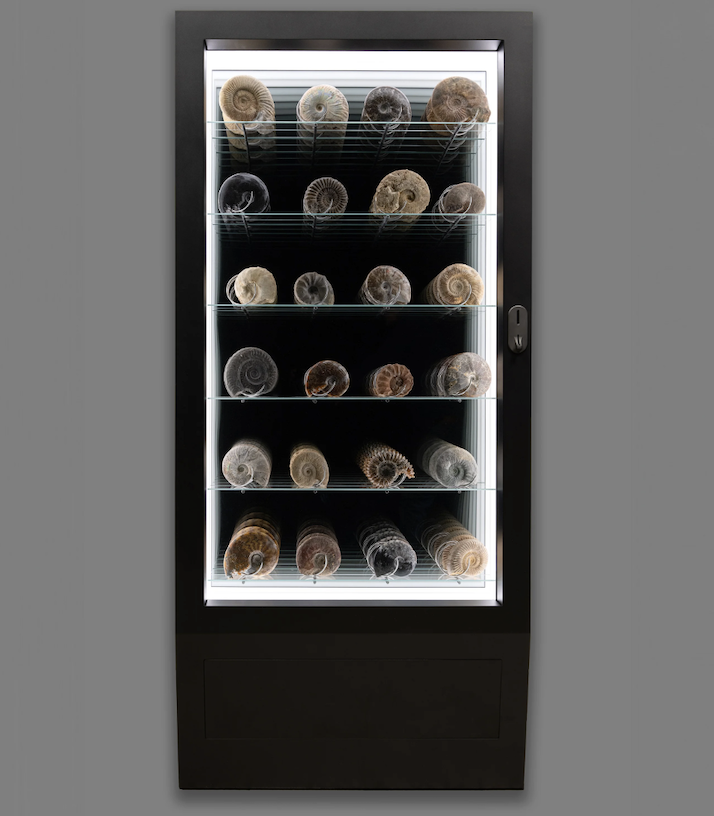
The exhibition transforms Mona’s touring galleries and spill out into the Void and newly excavated additions to the museum. It features sculptures made of coal, lava, molten computers, onyx and obsidian. Cored samples taken from glacial erratic boulders are repaired with steel, aluminium, brass and silver. A lump of stromatolite rock, hundreds of millions of years old, is slowly polished to a perfect sphere between lapidary rock grinders. There are plants preserved cryogenically, snails slurping the calcium carbonate from marble statues, and a vending machine full of fossilised ammonites.
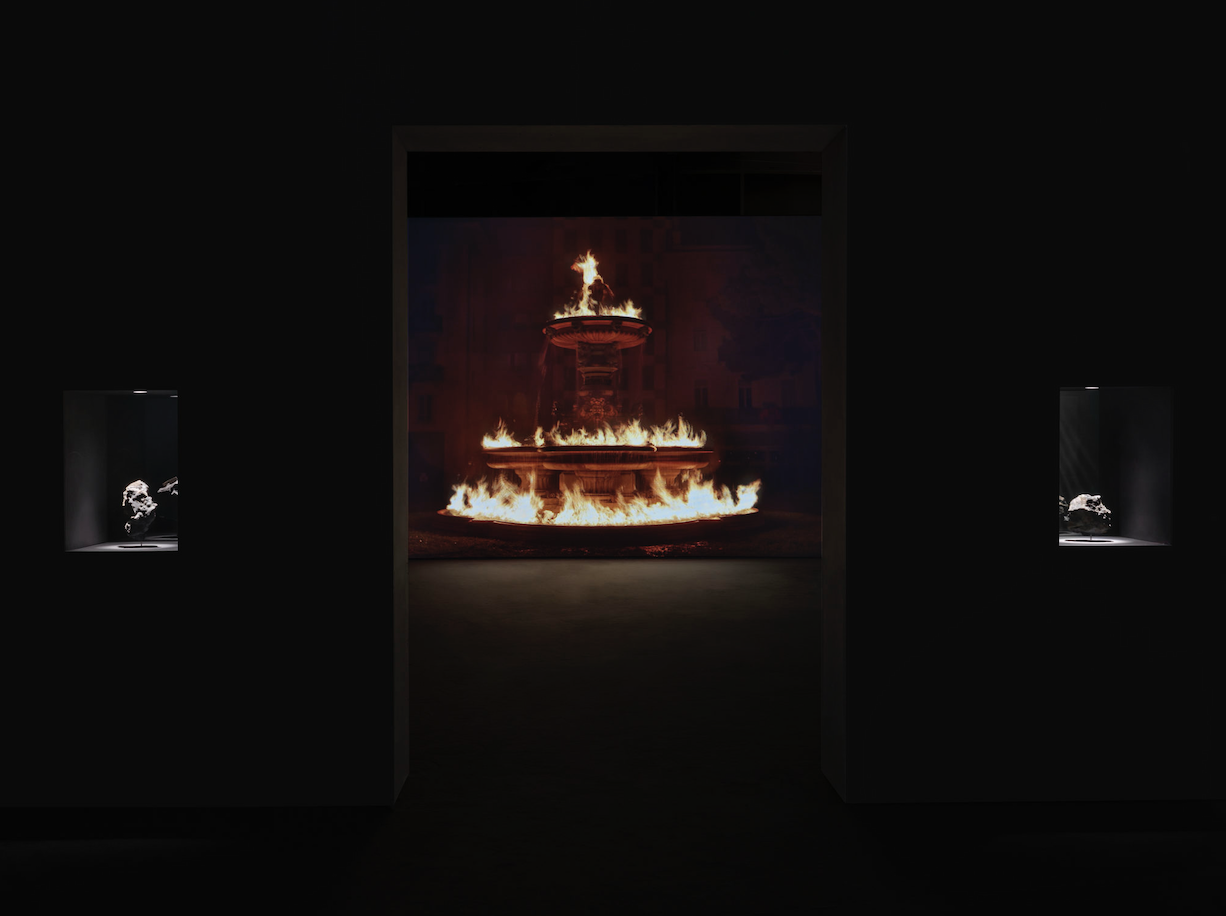
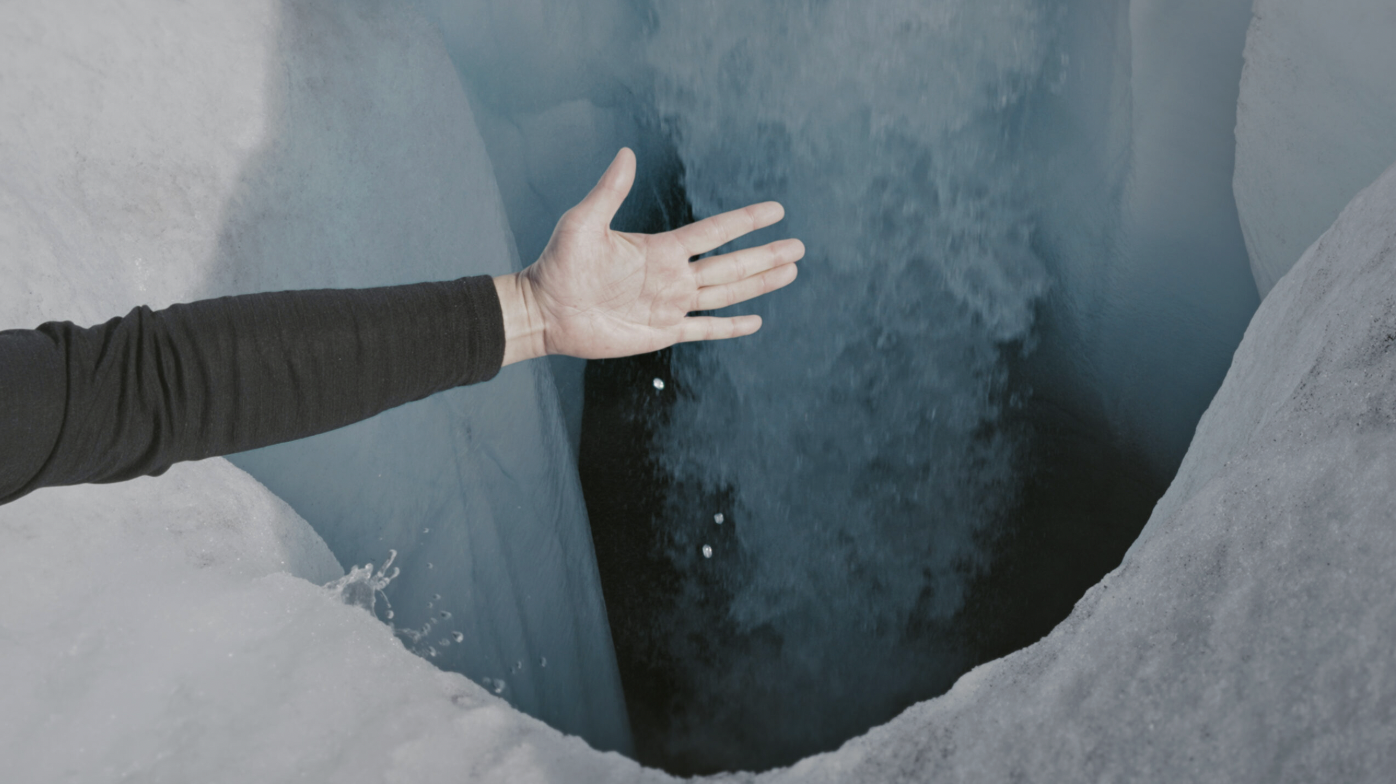
In photographs and video installations, Charrière pits human action against ideas of nature’s grandeur and vulnerability. He transfigures human breath into diamond, for instance, by returning our expelled carbon to th rushing water of a glacier mill in North Greenland, and pilots drones through fireworks imploding over decommissioned oil rigs, open pit coal mines and other derelict sites of extractive industry.
Curated by Jarrod Rawlins and Olivier Varenne.


Lorem ipsum dolor sit amet, consectetur adipiscing elit. Suspendisse varius enim in eros elementum tristique. Duis cursus, mi quis viverra ornare, eros dolor interdum nulla, ut commodo diam libero vitae erat. Aenean faucibus nibh et justo cursus id rutrum lorem imperdiet. Nunc ut sem vitae risus tristique posuere.
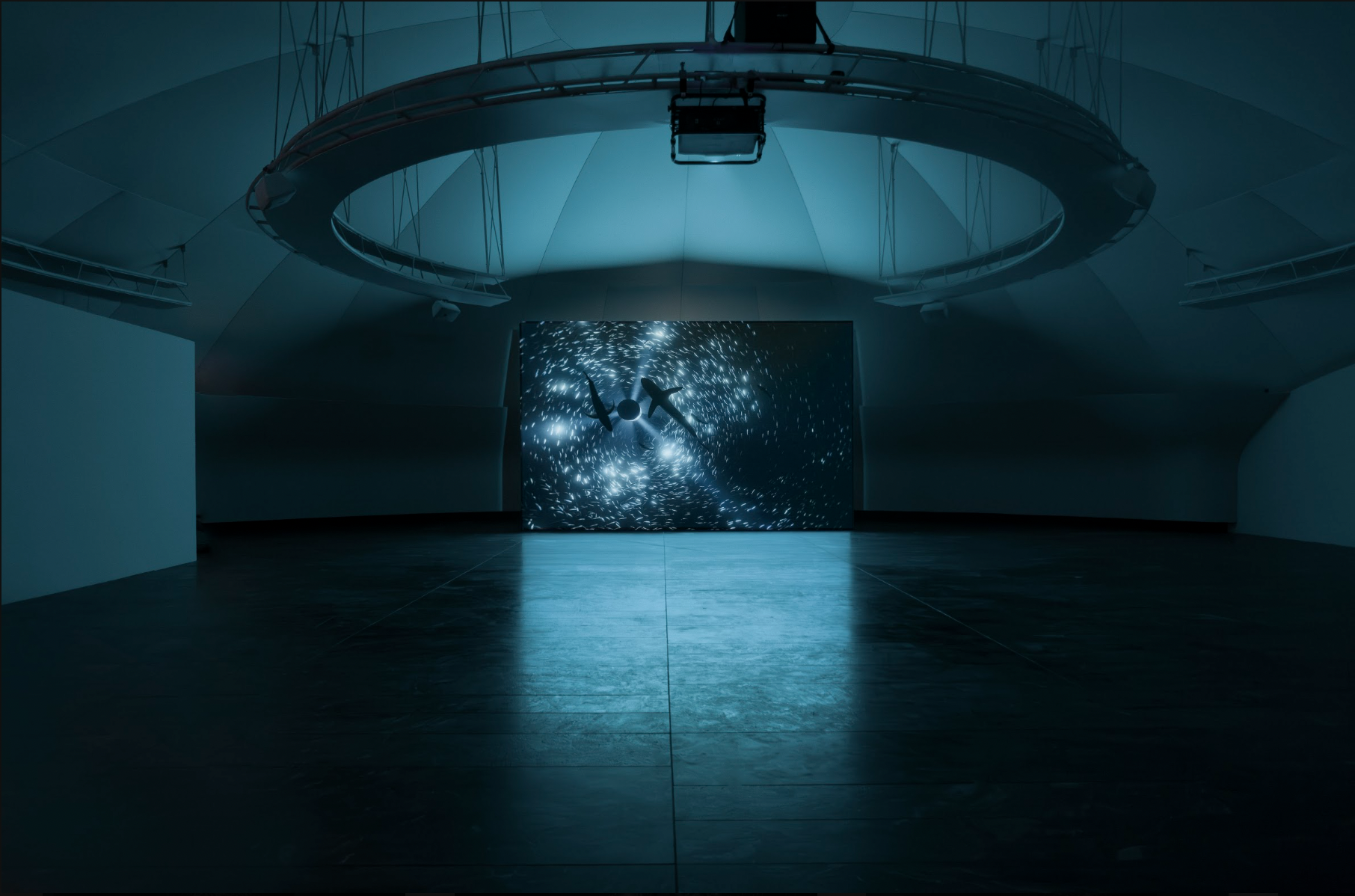
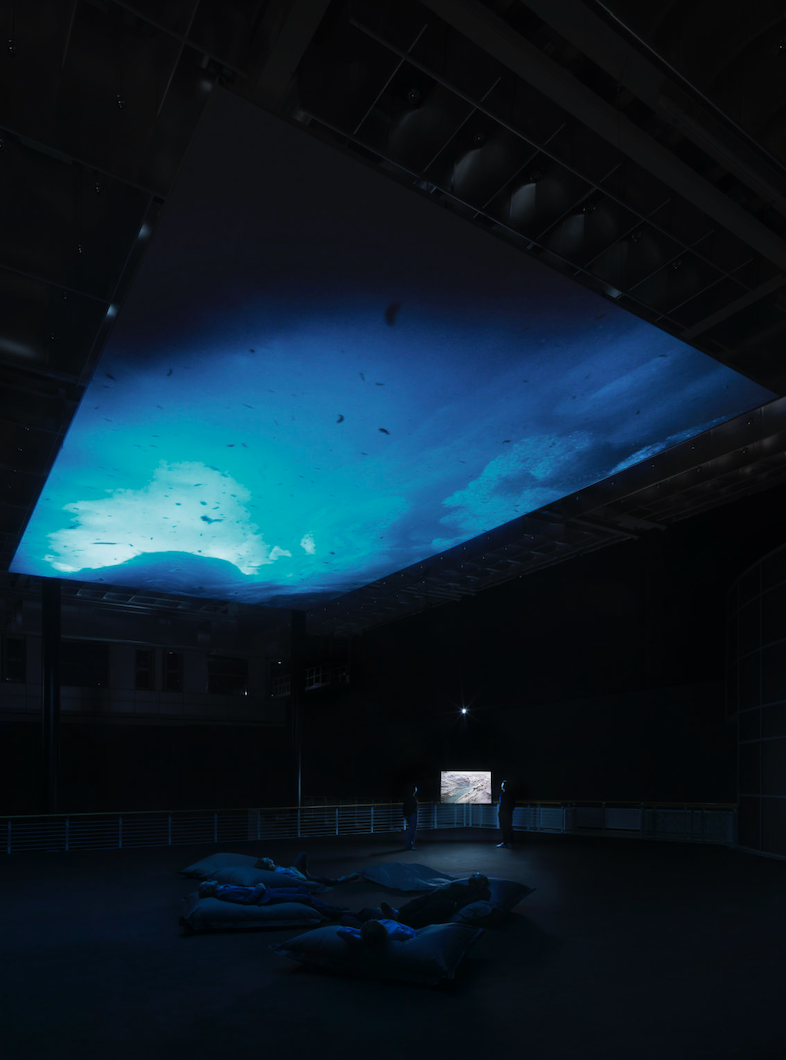
La exposición individual Midnight Zone de Julian Charrière (n. 1987) presenta una fascinante investigación sobre el misterioso mundo del agua.
Las obras multimedia de Julian Charrière combinan constantemente el arte, el medio ambiente y la ciencia. En el centro de la exposición se encuentra el elemento más importante para la vida en la Tierra: el agua. Es la base de la biosfera de nuestro planeta, el hábitat de innumerables organismos y, al mismo tiempo, un recurso muy disputado. Por ello, la exposición destaca no solo los aspectos sensoriales y metafóricos asociados al agua, sino también una serie de cuestiones políticas que la rodean, como la contaminación y la acidificación del agua, el derretimiento de los glaciares y los casquetes polares debido a la catástrofe climática provocada por el ser humano, o la amenaza que representa la minería de aguas profundas para el lecho marino.
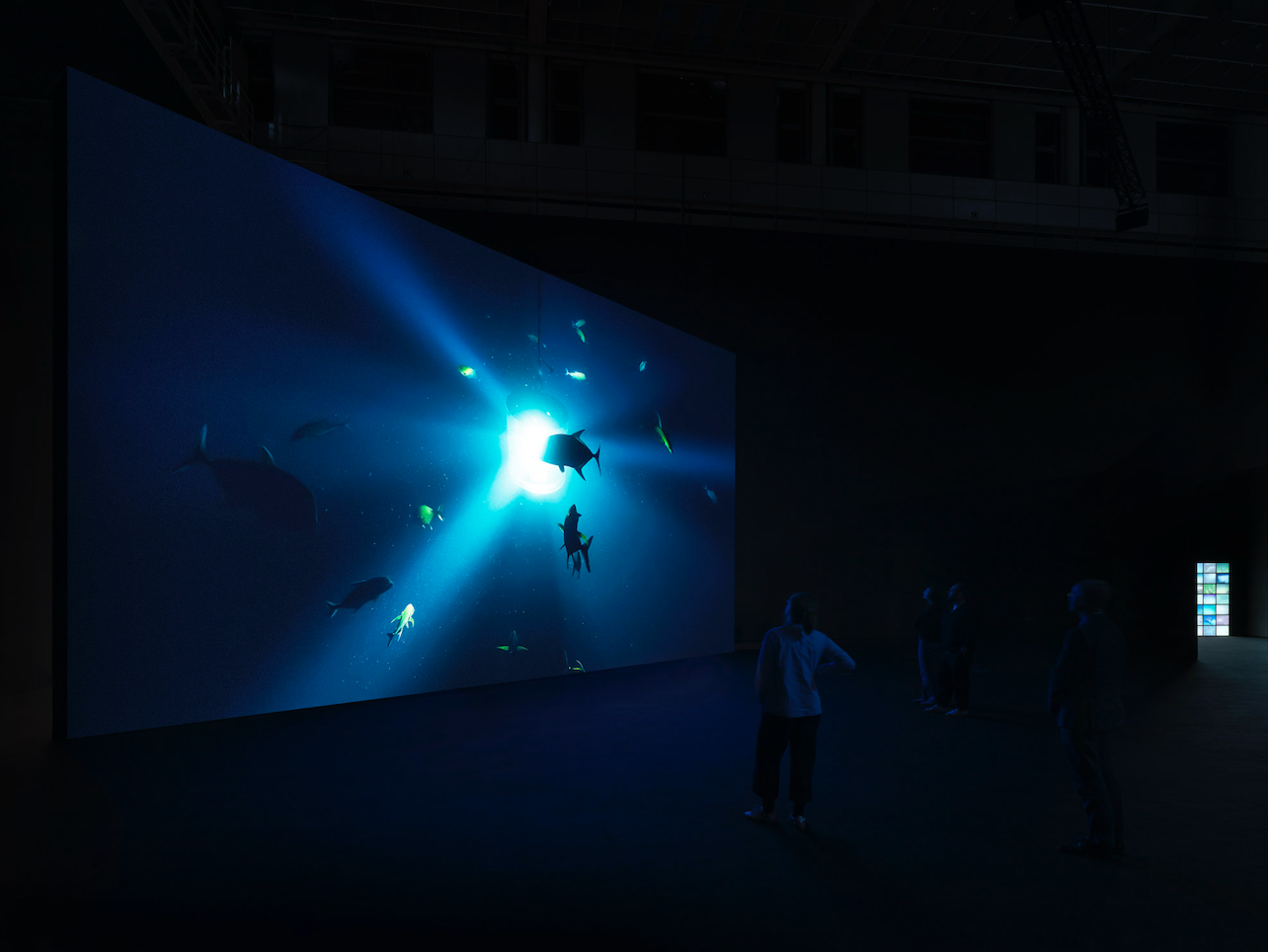
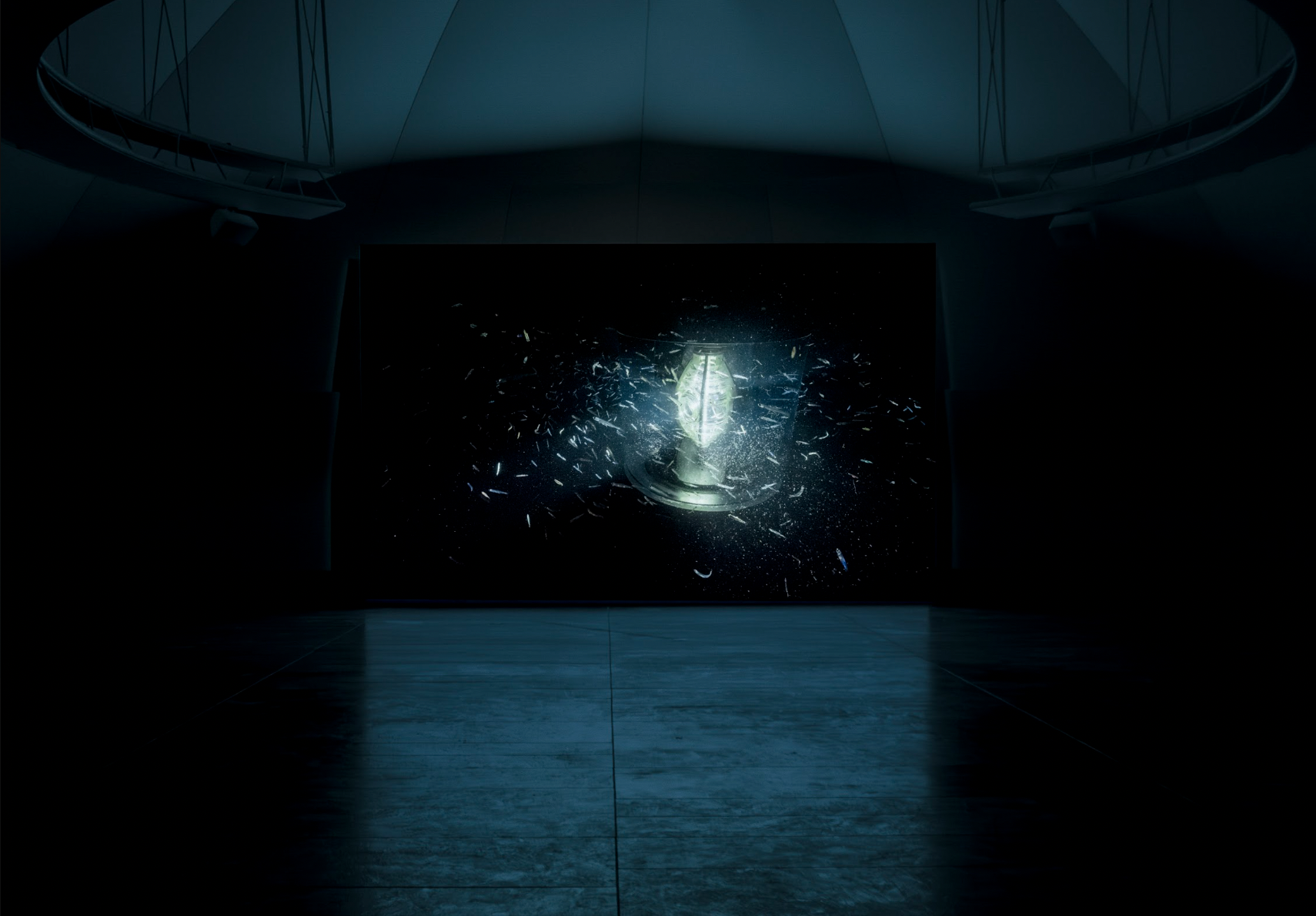
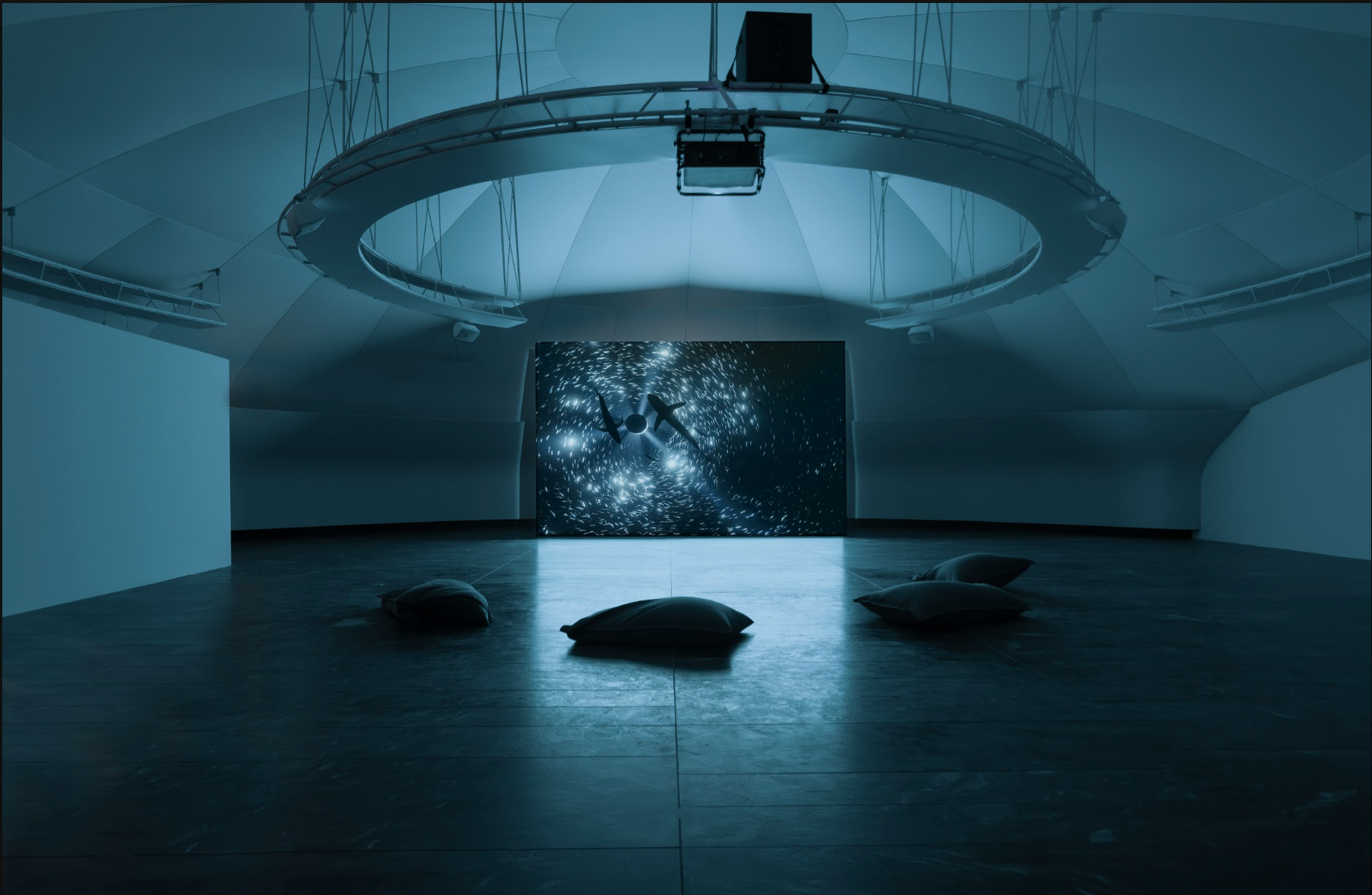
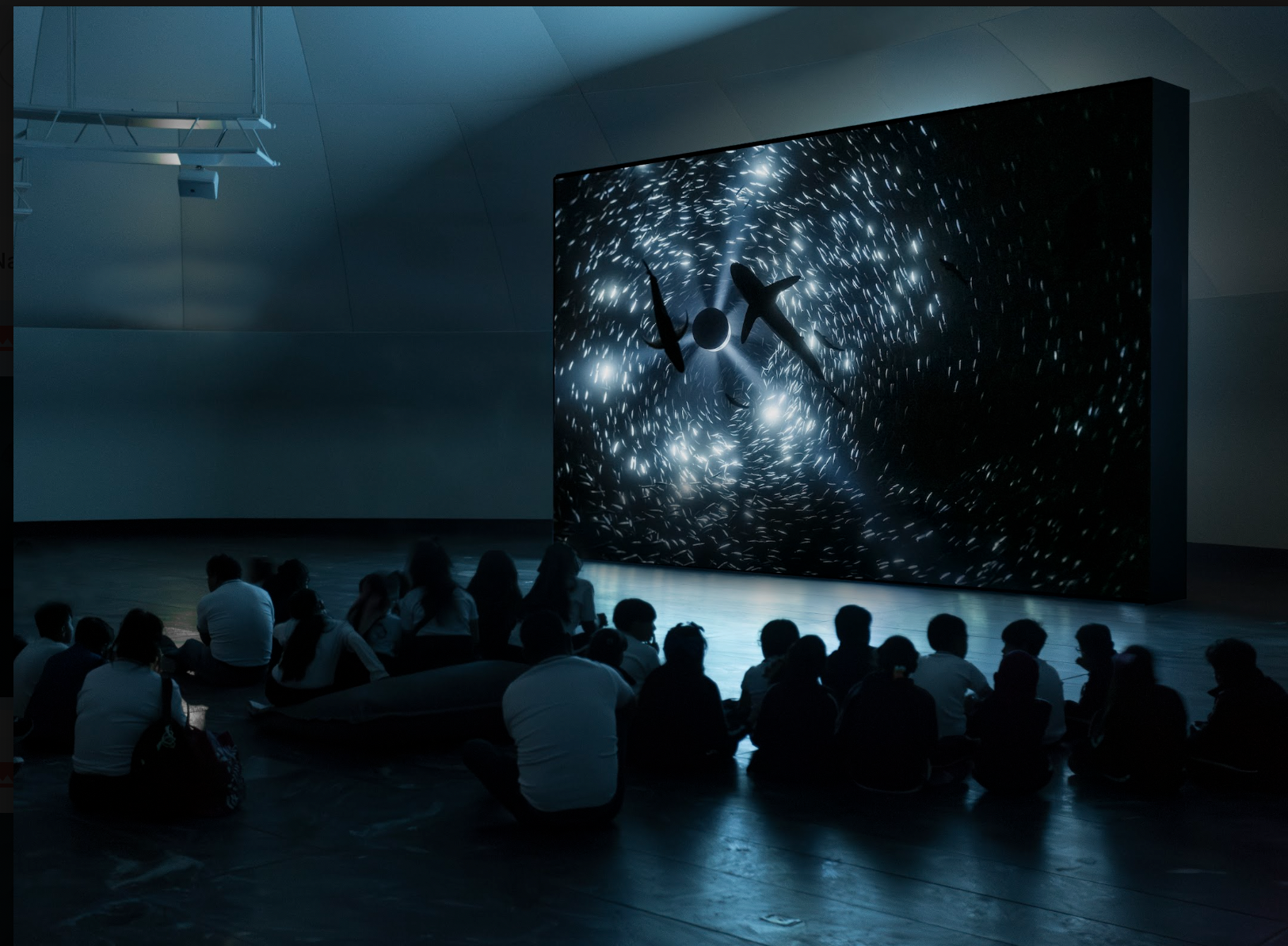
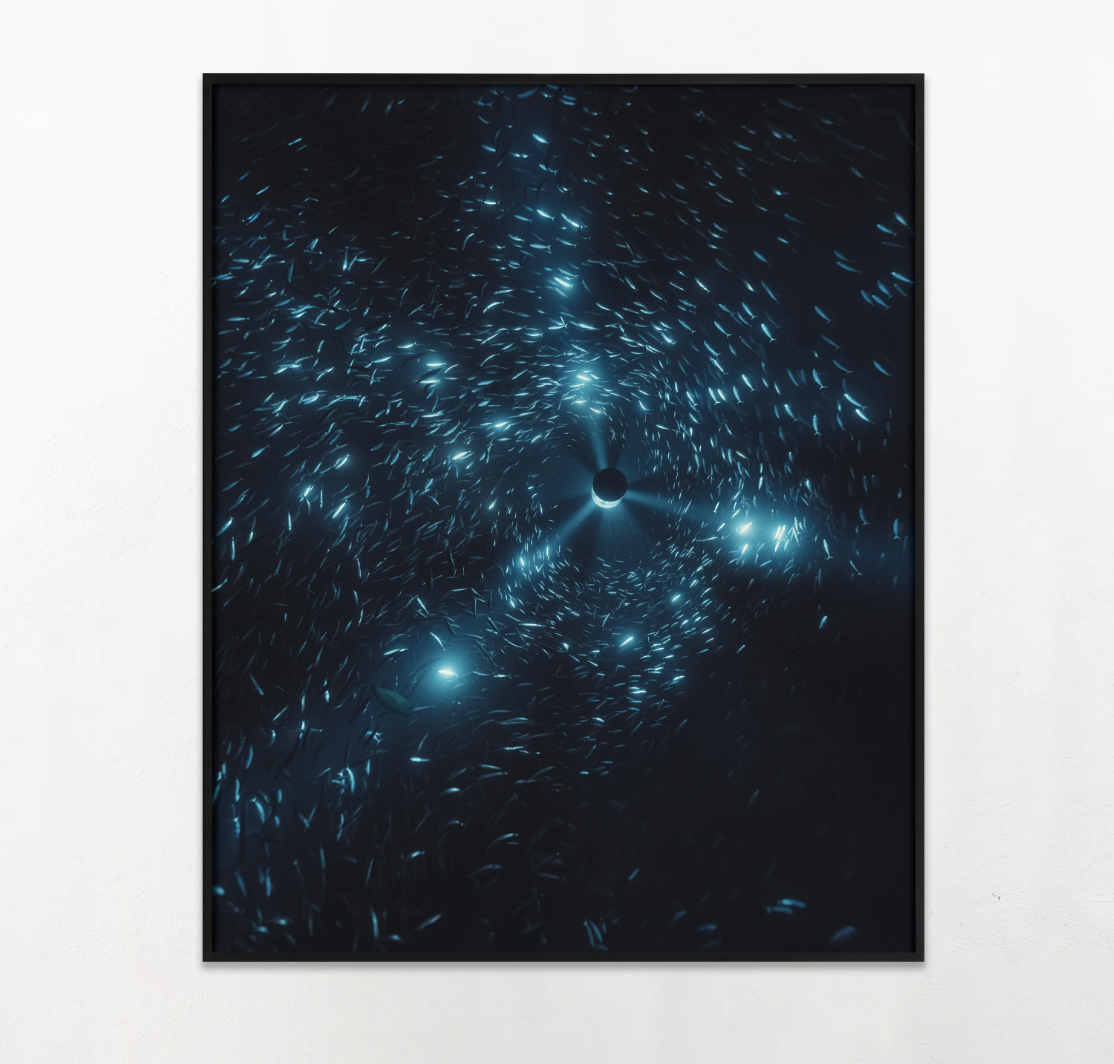
La “zona de medianoche”, término científico que designa la parte del océano situada entre los 1,000 y los 4,000 metros de profundidad, donde no llega ninguna luz, da título a la exposición y constituye su punto de partida conceptual. La instalación de video del mismo nombre muestra rayos de luz transmitidos por una lente de Fresnel giratoria —que en su día se utilizaba habitualmente en los faros— a medida que se sumerge en las aguas completamente negras del Océano Pacífico. Enjambres de diversas especies de peces se ven mágicamente atraídos por la luz y rodean la lente, revelando así una gran riqueza de vida. Se trata de un descenso a través del cual Charrière nos invita a reflexionar sobre la rica biodiversidad de lugares aún en gran parte desconocidos y la urgente necesidad de protegerlos.
Julian Charrière: Midnight Zone es la mayor exposición individual hasta la fecha de este artista de renombre internacional. La exposición, realizada en colaboración con el Museo Tinguely de Basilea, Suiza, ofrece una experiencia inmersiva a través de una escenografía desarrollada especialmente para el Kunstmuseum Wolfsburg, en la que se fusionan la imagen, el sonido y el cuerpo. La reflexión sobre el significado del agua, los océanos y la biodiversidad que habita en sus profundidades se puede experimentar de manera multisensorial, mediada por el uso transformador que el artista hace del video, el sonido, la escultura, la fotografía y la instalación.


Lorem ipsum dolor sit amet, consectetur adipiscing elit. Suspendisse varius enim in eros elementum tristique. Duis cursus, mi quis viverra ornare, eros dolor interdum nulla, ut commodo diam libero vitae erat. Aenean faucibus nibh et justo cursus id rutrum lorem imperdiet. Nunc ut sem vitae risus tristique posuere.
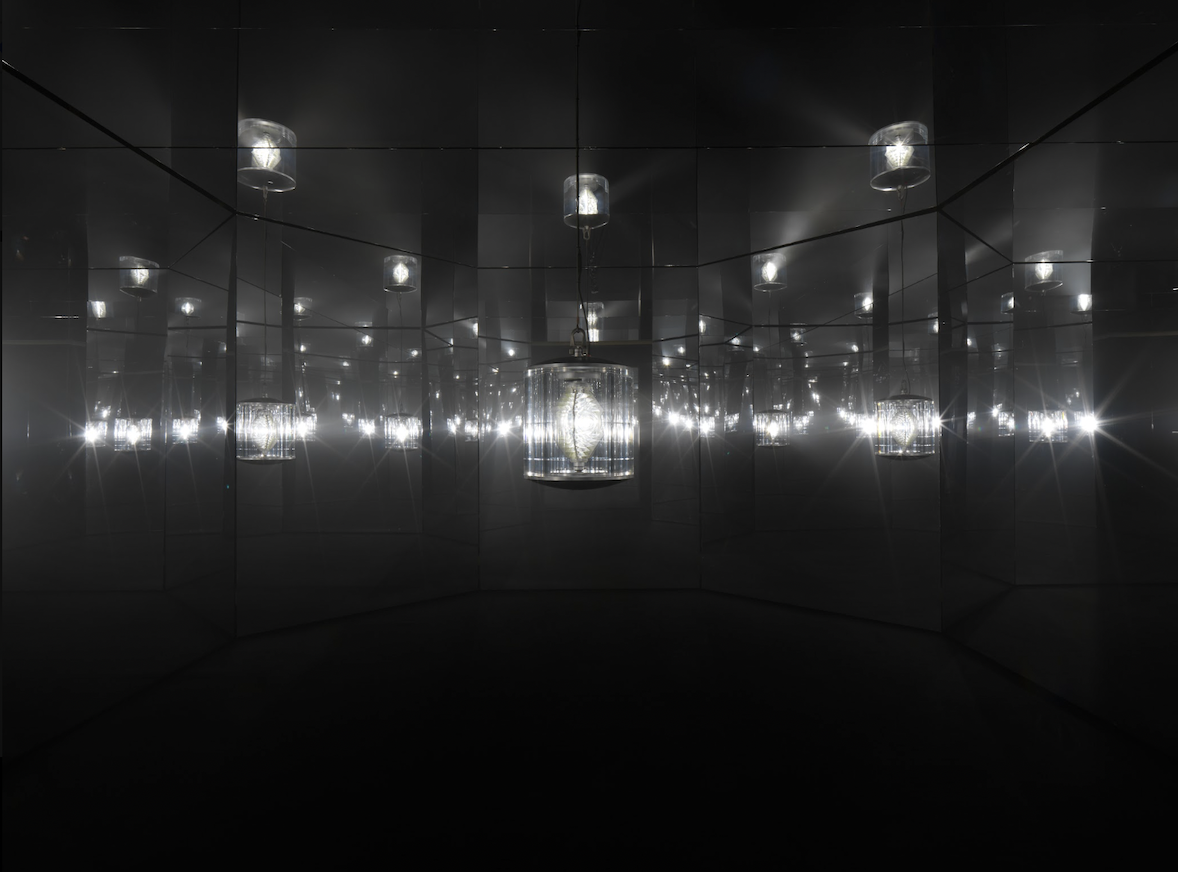
At the heart of Midnight Zone lies a custom-designed Fresnel lighthouse lens, an object that has long been symbolic of the boundary zone between the oceanic and terrestrial. Doubling as a diving bell, the lens makes a symbolic descent into the water column above the Clarion Clipperton Fracture Zone, casting an urgent light on a region not only home to rich biodiversity but which is under the imminent threat of deep-sea mining for polymetallic nodules – mineral concretions containing the rare earth metals believed critical for the transition to green energies.
Transformed into an abyssal dream machine, the lighthouse lens interacting with majestic sea creatures are the primary elements of the film, transporting us into a submerged landscape which has long lacked representation. Through an immersive cinematic journey, Midnight Zone invites viewers to confront the pressing realities of resource extraction while also celebrating the mysterious beauty and multiplicity of the deep sea. The large-scale video projection is a singular evocative experience; bringing a mesmerizing encounter with one of the least explored biomes on Earth to audiences in Mexico City. By merging art and environmental activism, Charrière emphasizes the role of emotional connection in the field of ocean conservation, specifically highlighting the ecological significance of the Sea of Cortez.


Lorem ipsum dolor sit amet, consectetur adipiscing elit. Suspendisse varius enim in eros elementum tristique. Duis cursus, mi quis viverra ornare, eros dolor interdum nulla, ut commodo diam libero vitae erat. Aenean faucibus nibh et justo cursus id rutrum lorem imperdiet. Nunc ut sem vitae risus tristique posuere.
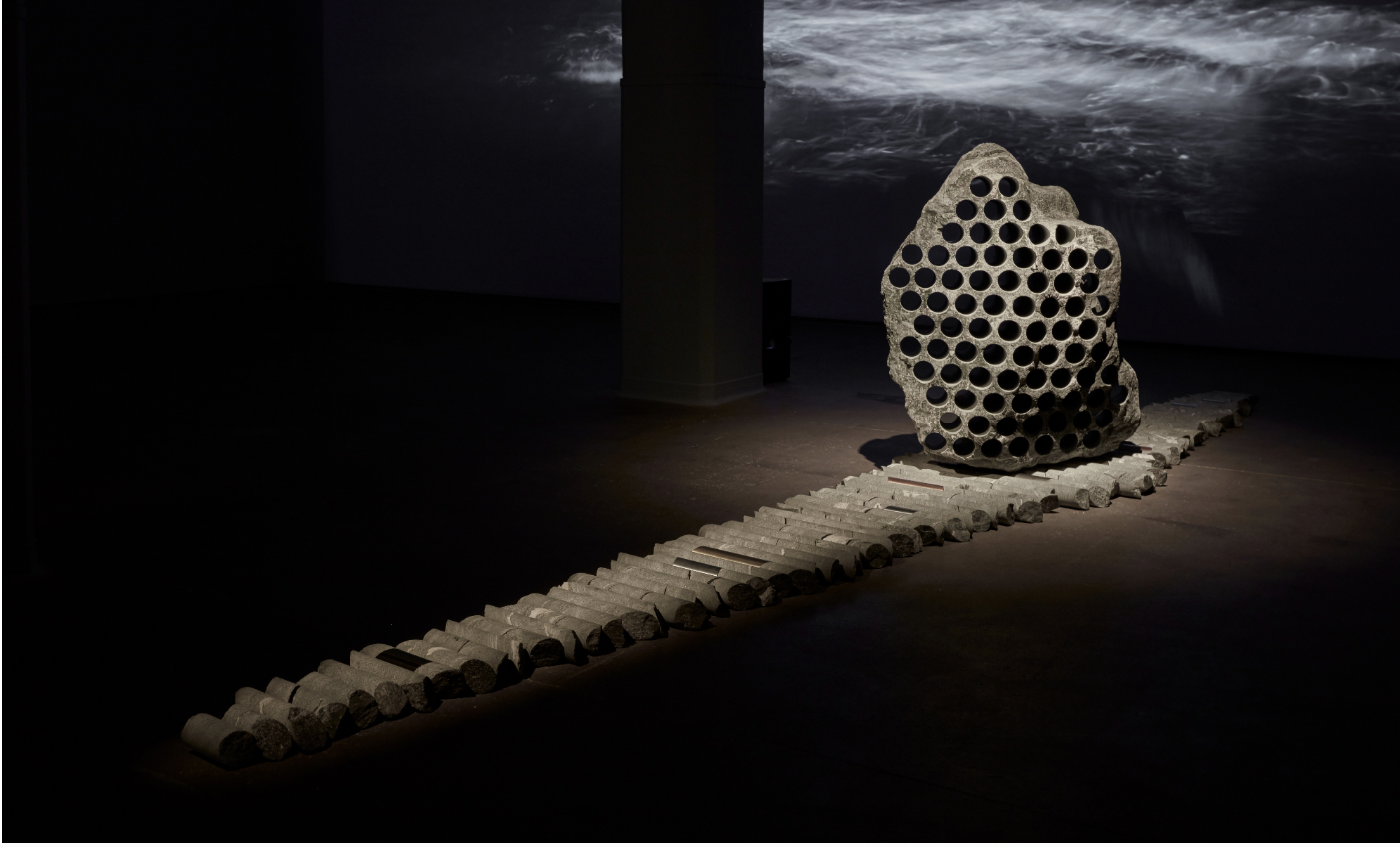
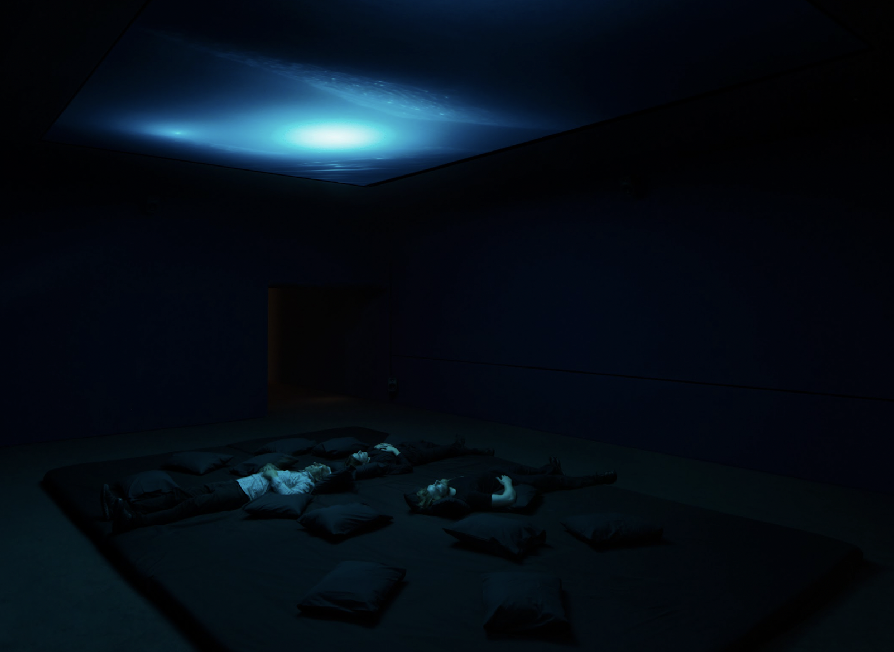
In Midnight Zone, Julian Charrière invites visitors to think and feel with water: as atmosphere, memory, movement and kin. Drifting between deep-sea descent and cryospheric suspension, the exhibition unfolds as an immersive reflection on fluid worlds—not the sea as surface, but as substance, where boundaries dissolve. The artist considers this not only as a space to be entered, but as a world we can sink into and move within—becoming porous to its pressures, its depths, its dreams.
Midnight Zone brings together a series of elemental investigations—earlier works alongside major new commissions that trace Charrière’s long-standing exploration of environmental thresholds. Unfolding over three floors, the exhibition’s focus is on water not as a motif, but as a medium: the material through which histories sediment, crises unfold, and forms change state. The title refers to the bathypelagic zone of the ocean, where sunlight vanishes and vision fades.


Lorem ipsum dolor sit amet, consectetur adipiscing elit. Suspendisse varius enim in eros elementum tristique. Duis cursus, mi quis viverra ornare, eros dolor interdum nulla, ut commodo diam libero vitae erat. Aenean faucibus nibh et justo cursus id rutrum lorem imperdiet. Nunc ut sem vitae risus tristique posuere.
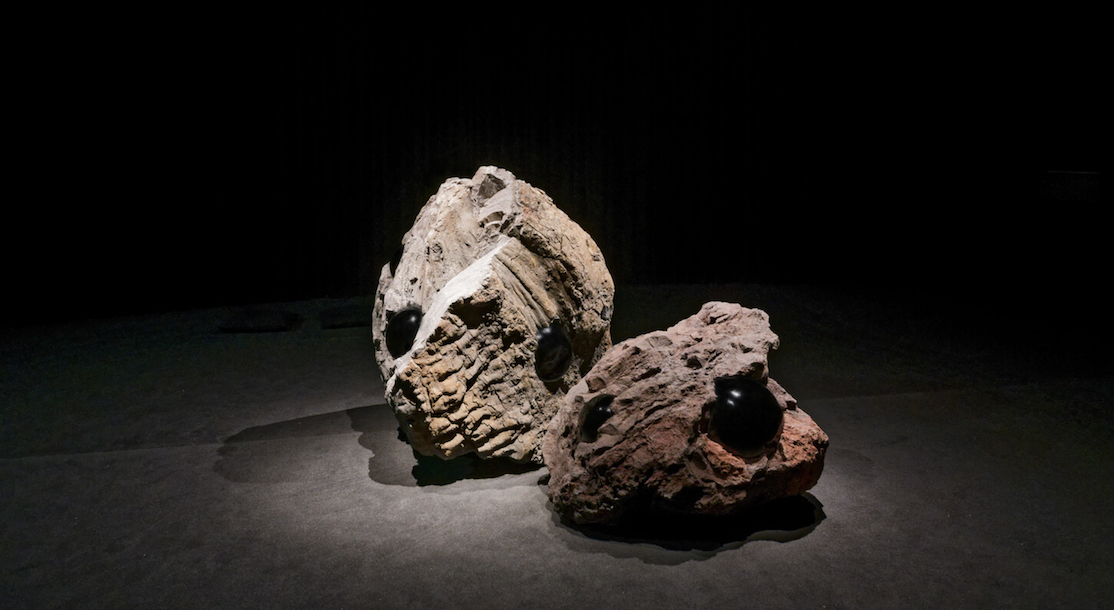
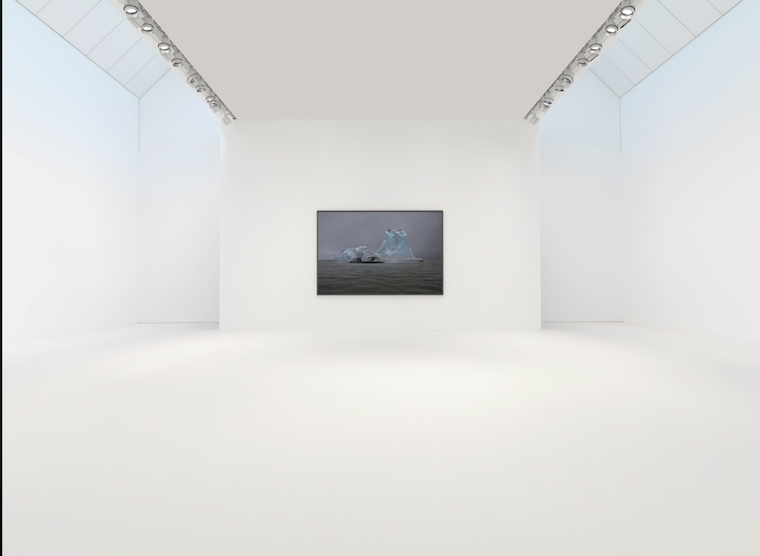
The fascinations of the Arctic and Antarctic have captured our collective imagination for centuries. For the last decade, French-Swiss artist Julian Charrière has traveled to remote and hostile polar regions to explore humankind’s interconnection with these otherworldly environments that have come to represent the precariousness of our future.
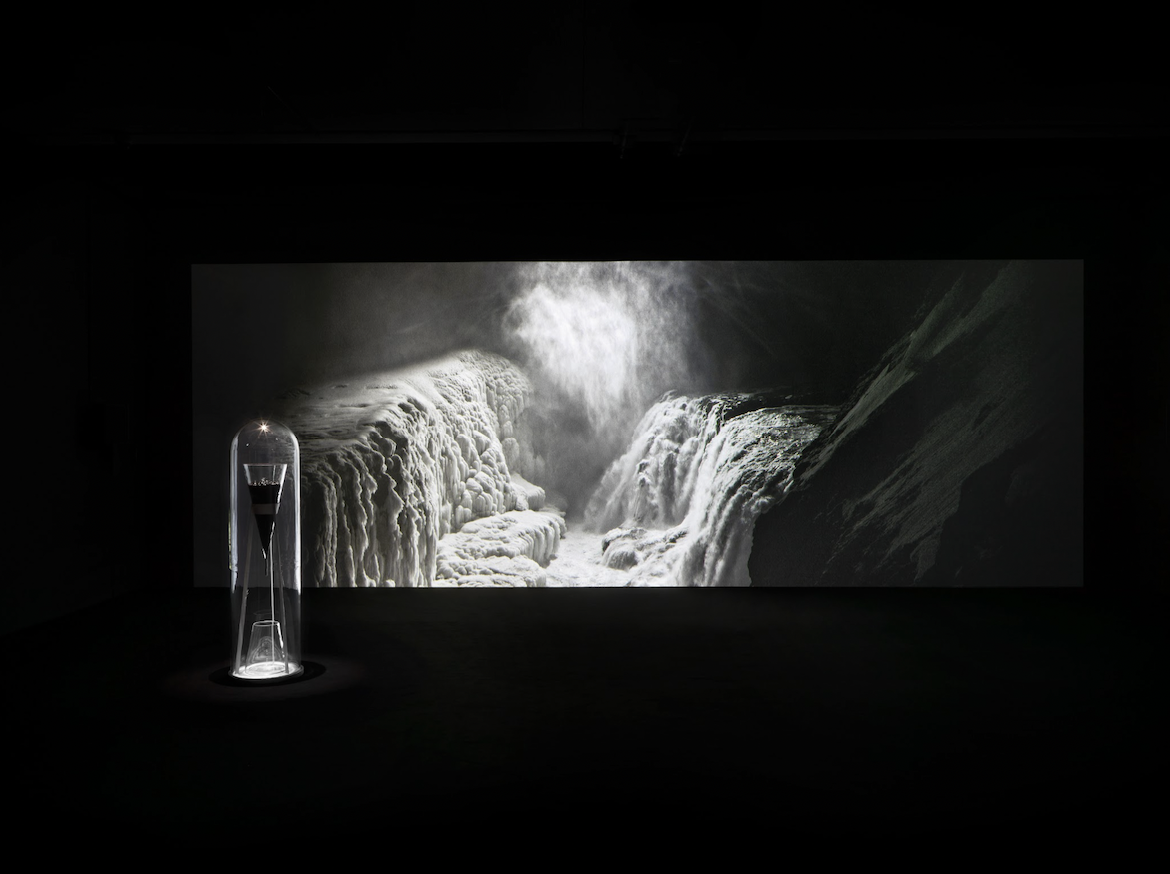
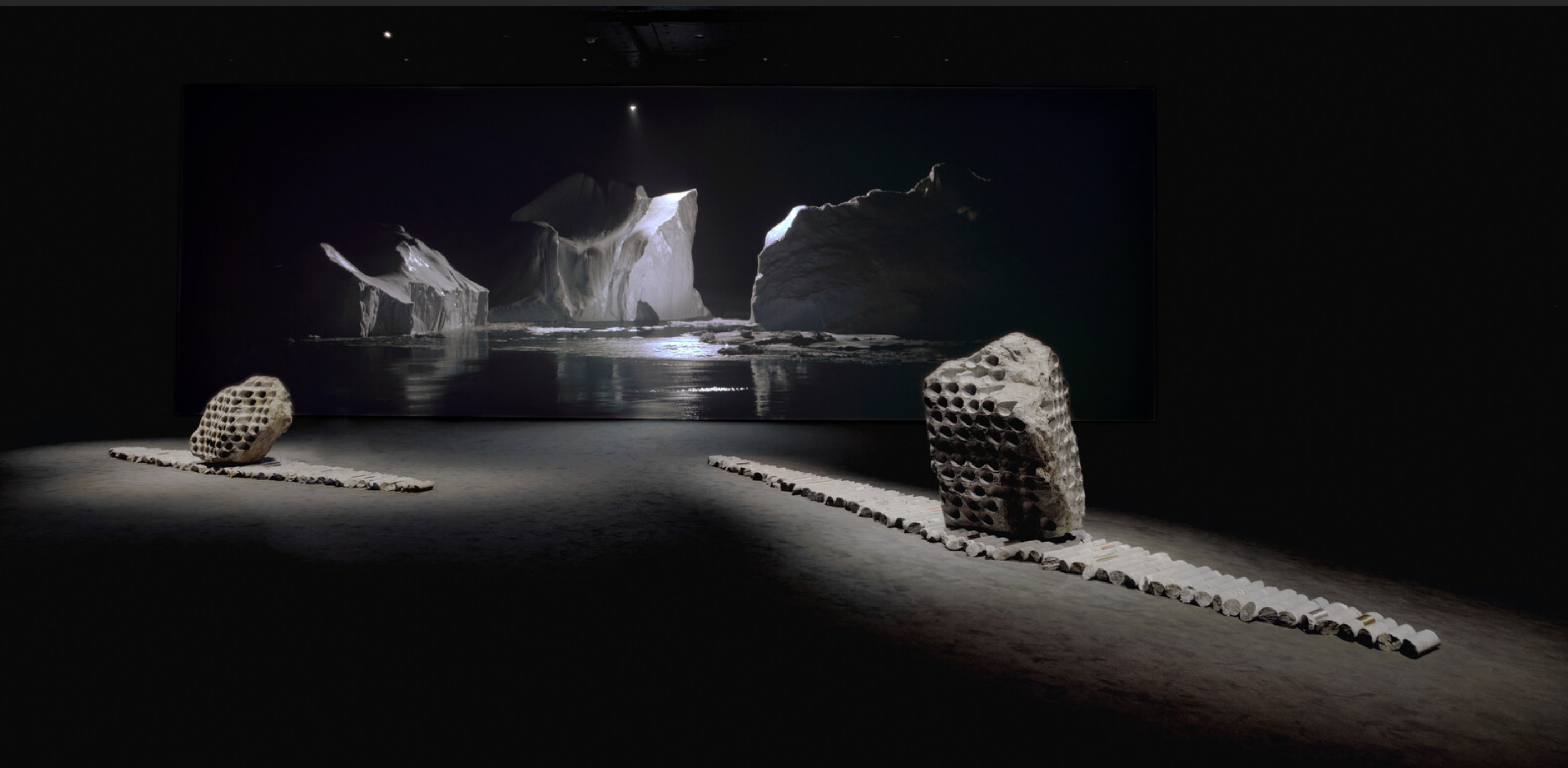
The artist’s first solo exhibition on the West Coast, Julian Charrière: Erratic presents works across media that revolve around the artist’s poetic engagement with ice landscapes challenging our constructs of different temporalities, while bringing attention to the traces and longstanding reverberations humankind has caused throughout planetary systems. The central work of this cinematic and sensory filled exhibition is Towards No Earthly Pole (2019), a panoramic film combining haunting footage of glaciers taken at night during the artist’s expeditions to various glacial regions.
Through immersive encounters with Charrière’s work in this timely exhibition, visitors are invited to approach an environmentally, culturally, and politically charged geography with a heightened sense of ecological awareness.


Lorem ipsum dolor sit amet, consectetur adipiscing elit. Suspendisse varius enim in eros elementum tristique. Duis cursus, mi quis viverra ornare, eros dolor interdum nulla, ut commodo diam libero vitae erat. Aenean faucibus nibh et justo cursus id rutrum lorem imperdiet. Nunc ut sem vitae risus tristique posuere.
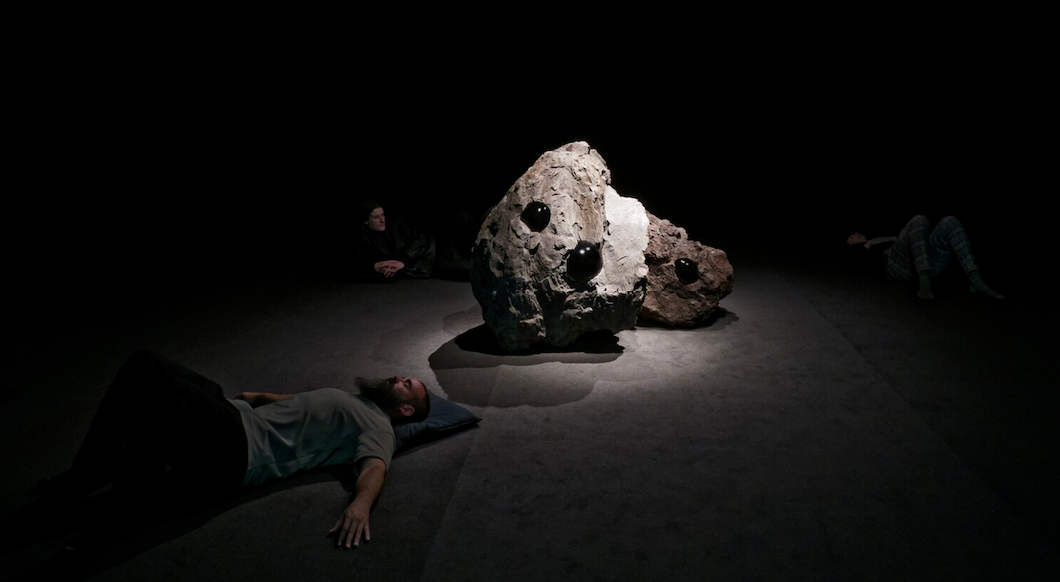
Stone Speakers is an immersive multimedia installation produced in collaboration with Felix Deufel and Victor Mazon. The piece uses a 4D sound system that transports the visitor to the surface and depths of six distinct volcanoes. Based on field recordings from Mount Etna (Italy), Litli-Hrútur (Iceland), Nevado del Ruiz (Colombia), Erta Ale (Ethiopia), Mount Sindoro, and Mount Bromo (Indonesia), the sound composition is constantly transforming, modulated by transitions between the volcanic sites, their activity, and live data streams from local seismic monitoring stations. At the heart of the exhibition is A Stone Dream of You, a series of sculptures made from volcanic rock and obsidian glass.
Through the sonification of live seismic data, the installation transforms the Palais de Tokyo into an eco-chamber where volcanoes can express themselves and be heard. This process allows the raw, energetic power of the planet to become palpable, bridging the distant, unseen geological world with the immediate, sensory reality of the visitor in Paris.


Lorem ipsum dolor sit amet, consectetur adipiscing elit. Suspendisse varius enim in eros elementum tristique. Duis cursus, mi quis viverra ornare, eros dolor interdum nulla, ut commodo diam libero vitae erat. Aenean faucibus nibh et justo cursus id rutrum lorem imperdiet. Nunc ut sem vitae risus tristique posuere.
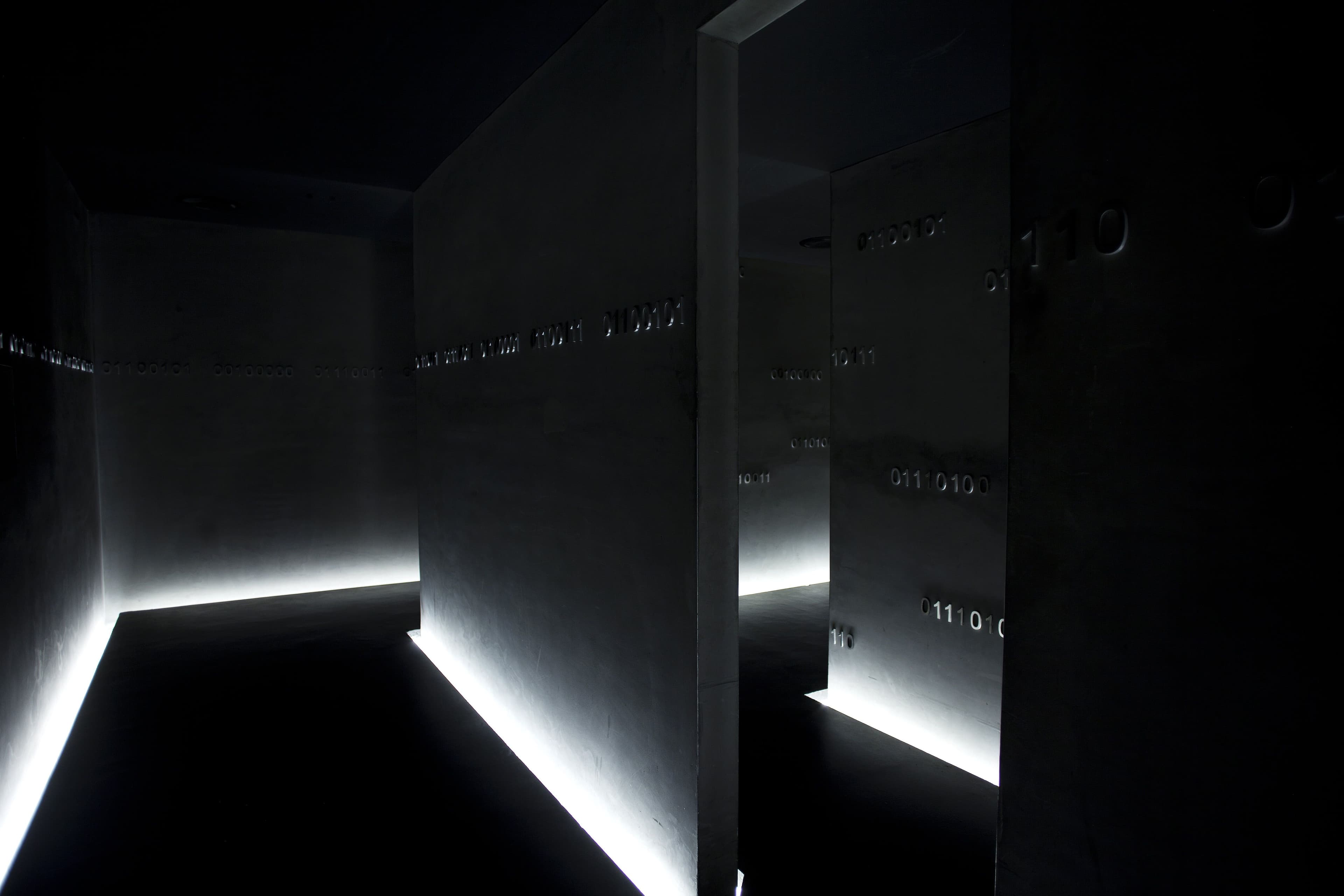
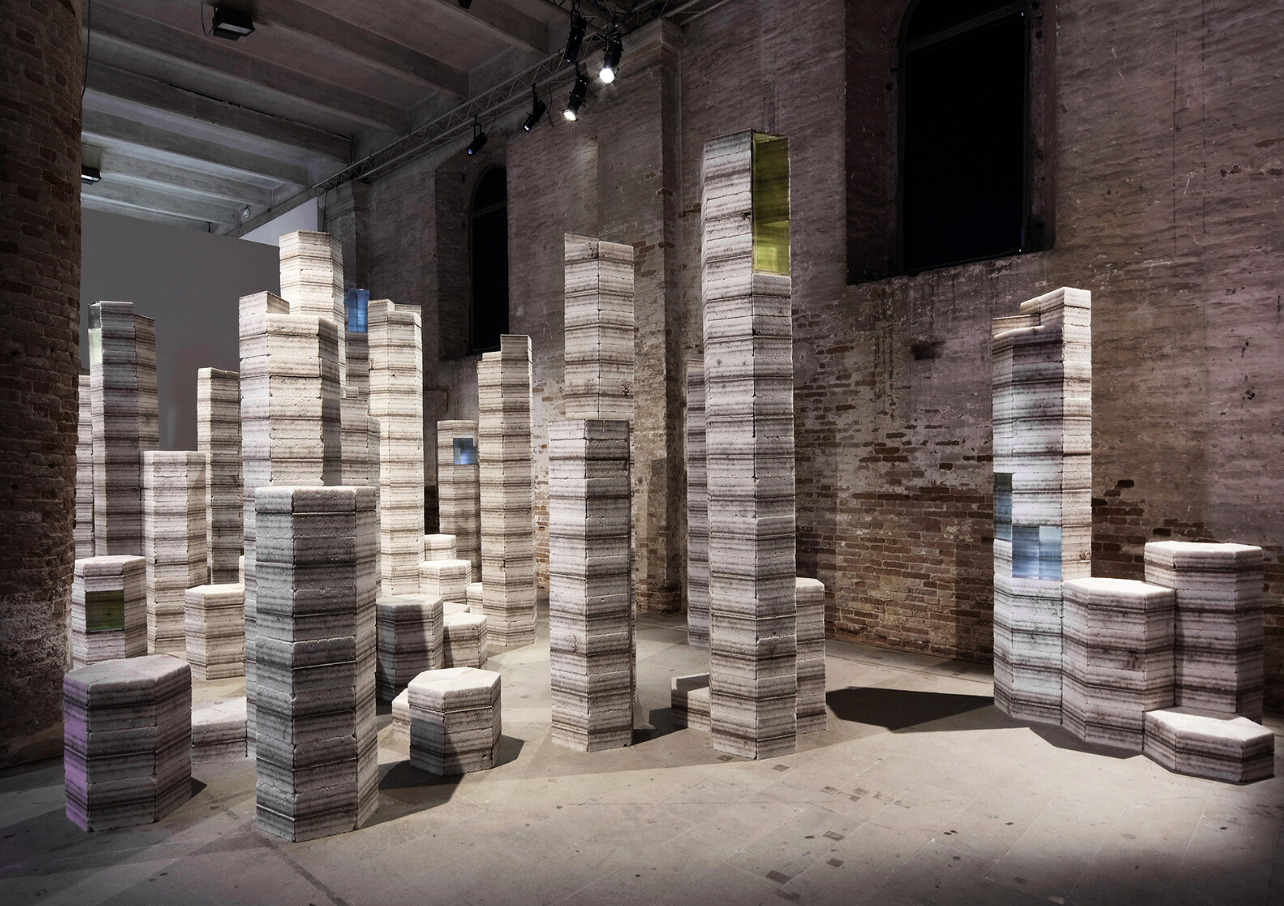
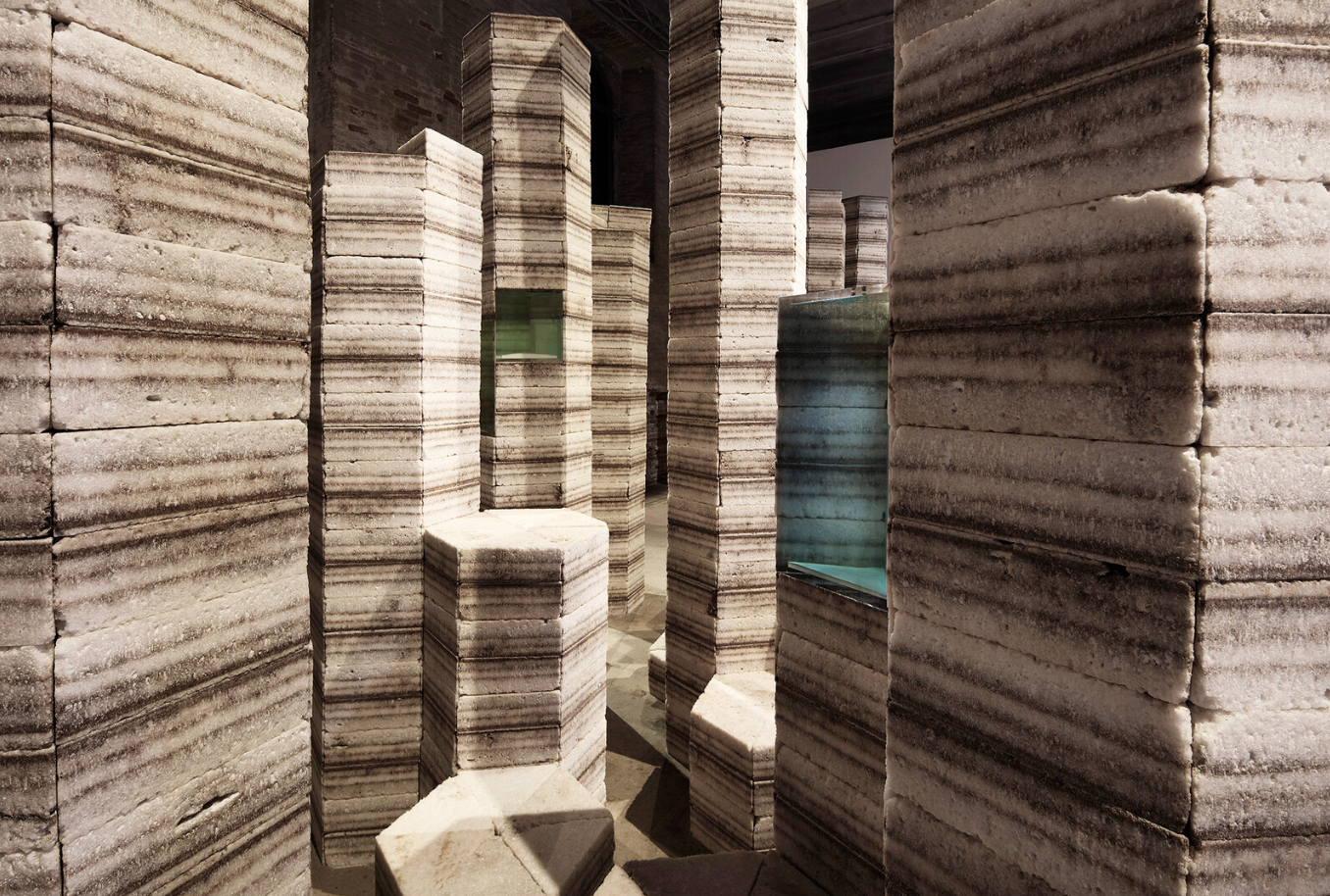
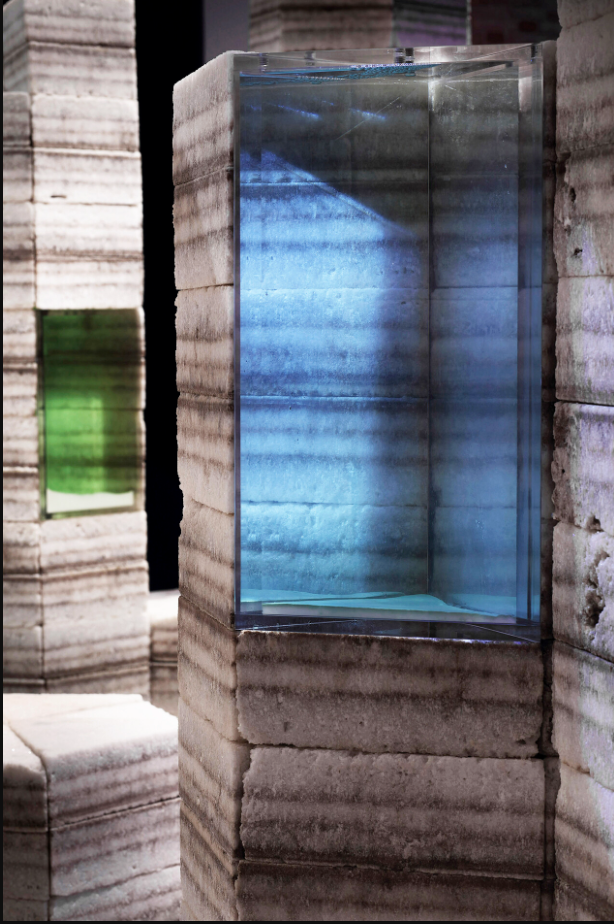
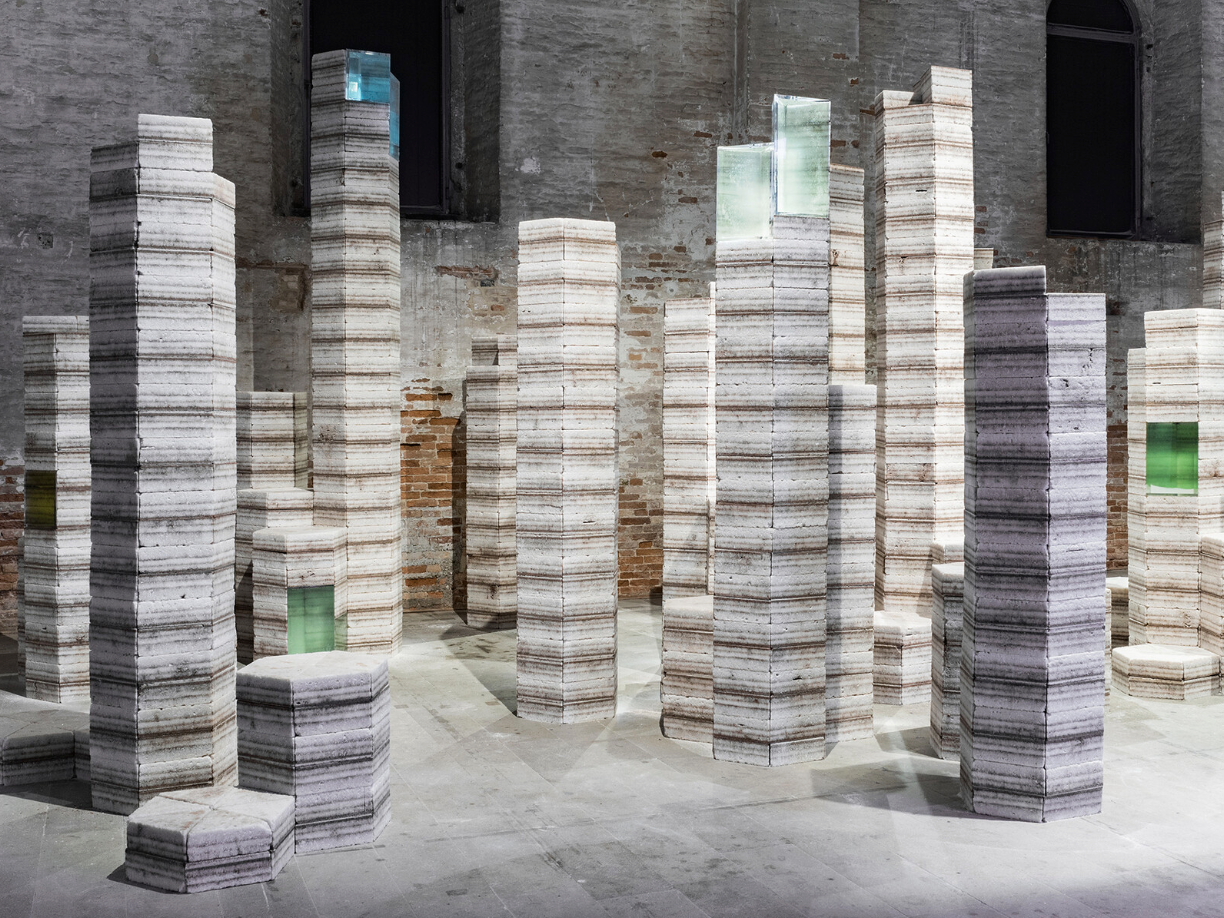
Julian Charrière is interested in the relationship between contemporary civilization and the world of geology, which has existed since time immemorial and ultimately sustains modern life. Like an anthropologist from the future who studies the present and conceives of the world as a network of human and non-human beings in which people, things, and nature are closely interdependent, making it impossible to isolate the environment, Charrière brings materials back home from his “fieldwork.” From the trip to the Salar de Uyuni, he returns with a large quantity of salt sediment in lumps he uses to build an installation in the Arsenale that oscillates between topography and landscape.
Material turns into representation; the installation becomes a negative space of the mined salt that leaves a new cavity, a Future Fossil Space, in Bolivia, while guiding the visitor in Venice through a heaped mountain landscape, its layout hexagonal in imitation of the scabs on the salt crust. The earth’s interior is wrestled to the surface, and the primeval landscape that was buried when the Andes broke open and lakes appeared is brought back to the surface as an essence. With a nod to the hexagonal rooms of the library in Jorge Luis Borges’s story The Library of Babel, the artist’s interest concerns the body of knowledge that is stored in the salt segments. Meanwhile, the title Future Fossil Spaces refers to future spaces that will be created inside the earth by the mining operations, the traces that the digital era will engender and that he brings back into the present by displaying the raw material of the digital as an artifact from the past. The artist-anthropologist designs an early mausoleum for the geological age of the digital, offering, as a counterpart to the internet, a physical and tactile experience. Ironically enough, that experience demonstrates that the enlargement of the virtual world requires a hollowing-out of the world of natural resources. It is a narrative of matter reporting on the virtual, material culture that grapples with the progress of our information society; impartial and as real as it is relevant in a world of plural realities.


Lorem ipsum dolor sit amet, consectetur adipiscing elit. Suspendisse varius enim in eros elementum tristique. Duis cursus, mi quis viverra ornare, eros dolor interdum nulla, ut commodo diam libero vitae erat. Aenean faucibus nibh et justo cursus id rutrum lorem imperdiet. Nunc ut sem vitae risus tristique posuere.
Duis cursus, mi quis viverra ornare, eros dolor interdum nulla, ut commodo diam libero vitae erat. Aenean faucibus nibh et justo cursus id rutrum lorem imperdiet. Nunc ut sem vitae risus tristique posuere.
Your inquire has been received and we'll be in touch with you shortly